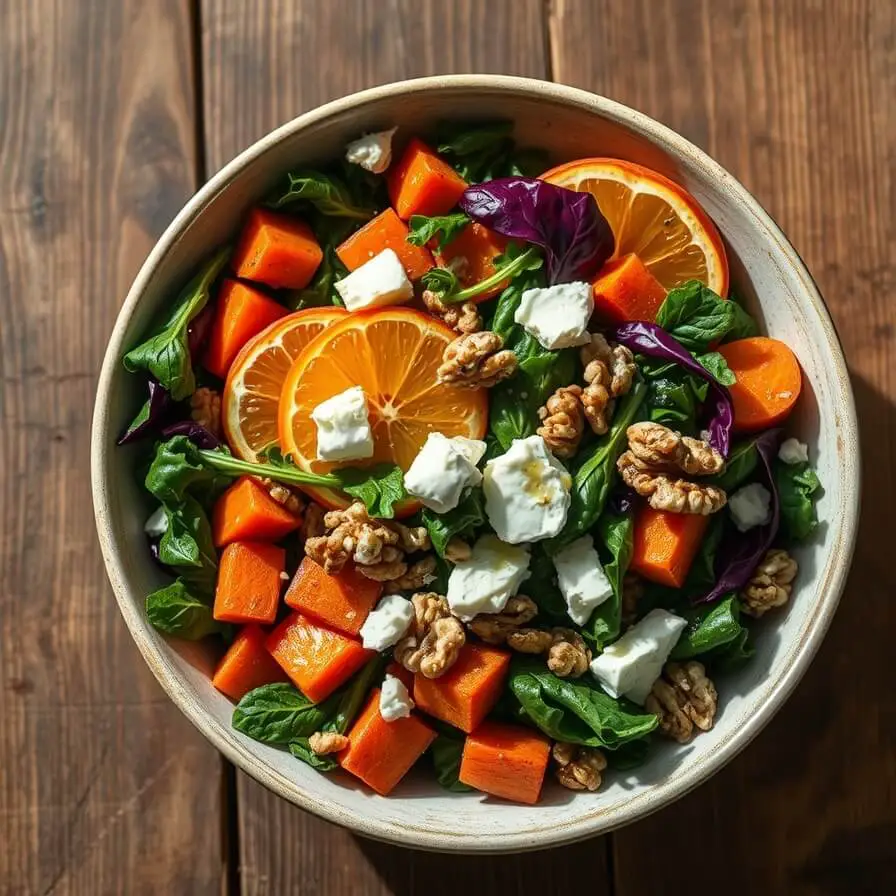
Every winter, right around the time when the days feel short and the air carries that crisp, quiet stillness, I find myself craving something fresh—but still comforting. A winter salad, or Wintersalat, became one of my favorite cold-season rituals a few years ago when I visited a small family-run restaurant in southern Germany. It was snowing outside, the kind of thick, gentle snowfall that makes everything feel softer. The owner placed in front of me a plate filled with roasted vegetables, crunchy greens, citrus slices, and a tangy mustard dressing. It was vibrant. It was warming. And it was exactly what winter food should be: bright enough to lift your mood, hearty enough to keep you full.
Ever since, I’ve made my own version every winter. My family, especially on busy weeknights, loves when I put this bowl on the table because it feels like the perfect balance of healthy and satisfying. No two bowls are ever the same—winter salad invites creativity. So today, I’m sharing my favorite Wintersalat Rezept, a flexible, cozy, and genuinely delicious salad that brings color to the season.
Why I Love This Recipe

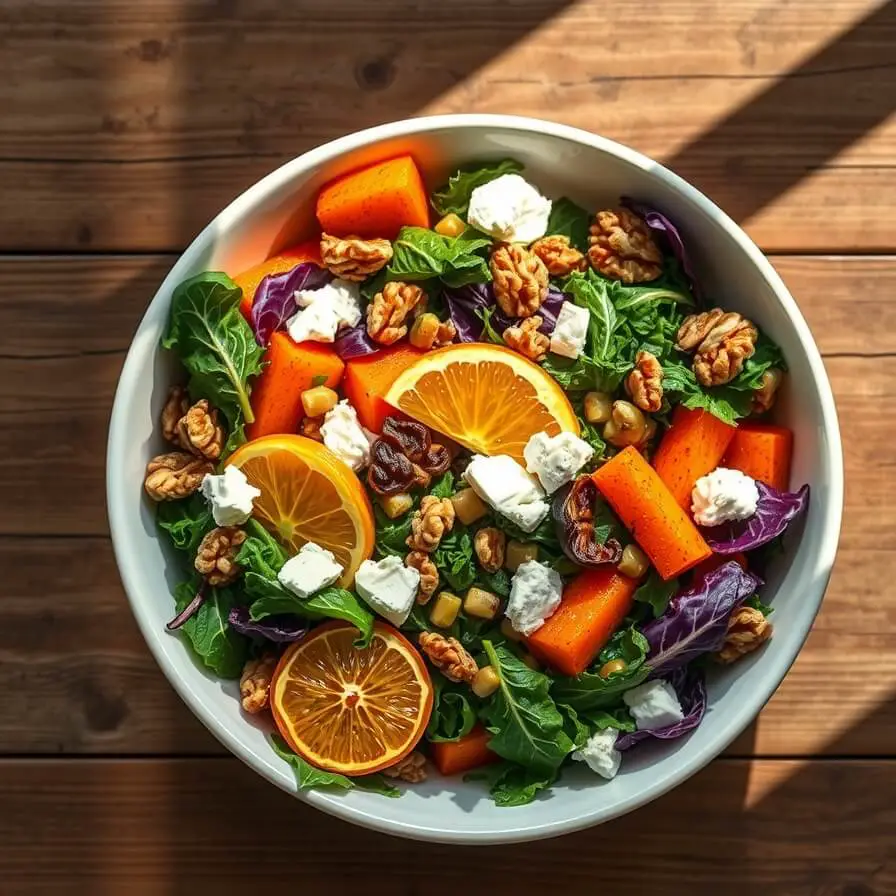
What makes this winter salad truly special is its balance. Most salads are crisp, fresh, and summery, but winter produce has a completely different personality—earthy, sweet, and grounding. This recipe brings all those elements together by pairing raw crunch with roasted warmth. You get caramelized edges from roasted carrots and sweet potatoes, the juicy brightness of oranges or blood oranges, and a creamy element from nuts, cheese, or avocado.
Another reason I love it: it adapts beautifully to whatever I have on hand. Winter can be a season of limited produce selection, but this salad turns those limitations into a strength. If you have cabbage, kale, beets, apples, citrus, squash, or even leftover roasted vegetables, you can turn them into something fresh and exciting.
It’s also special because it tastes layered—every bite is different. Some bites are sweet from the fruit, others tangy from the dressing, others smoky from the roasted vegetables. And because the salad includes warm and cool elements together, it feels heartier than a typical salad. You can serve it for lunch, as a side dish, or even as a full dinner when you top it with something protein-rich.
Lastly, this is one of those recipes that looks impressive without being complicated. The colors alone make people assume you spent more time on it than you did. And honestly, I love a recipe that does some of the showing off for me.
Ingredients for Wintersalat
Before we get into the how-to, let’s talk about the ingredients in a conversational way—because wintersalat isn’t just about what you put in the bowl, but why those ingredients work.
For the greens, I usually go with something a little sturdier than summer lettuce. Winter greens like kale, radicchio, and arugula hold up well to warm toppings and bold dressings. Kale gives that hearty chew, radicchio adds a slight bitterness (which balances sweetness beautifully), and arugula gives pepperiness.
Next, the roasted vegetables. This is where the winter magic happens. I like using carrots, sweet potatoes, beets, or butternut squash. Roasting them caramelizes the natural sugars, giving each piece a golden, almost nutty flavor. It also adds warmth, which is essential for making a winter salad feel cozy.
For brightness, I love adding citrus. Oranges are classic, but grapefruit or blood orange work wonderfully too. Apples or pears add crunch and sweetness if you prefer something less tangy.
Nuts and seeds are non-negotiable for me in a winter salad. Walnuts, pecans, or pumpkin seeds give that toasty, rich element that makes the salad feel grounded.
A creamy element is optional but highly recommended. Feta, goat cheese, blue cheese, or even creamy avocado bring balance to the sharp dressing and roasted vegetables.
And speaking of dressing: my go-to is a mustard-forward vinaigrette. It needs acidity to cut through the sweetness of roasted vegetables and enough boldness to stand up to hearty greens. A mix of Dijon mustard, olive oil, lemon juice or apple cider vinegar, honey, salt, and pepper always works.
How Much Time Will You Need?
One of the things I appreciate about this recipe is how manageable it is time-wise. You’ll need about:
- 10 minutes to prep the ingredients
- 25–30 minutes to roast the vegetables
- 5 minutes to whisk the dressing
- 5 minutes to assemble everything
Altogether, expect around 40–45 minutes. Most of that time is hands-off while the vegetables roast, giving you a chance to set the table or just enjoy a quiet moment in the kitchen.
How to Make This Wintersalat
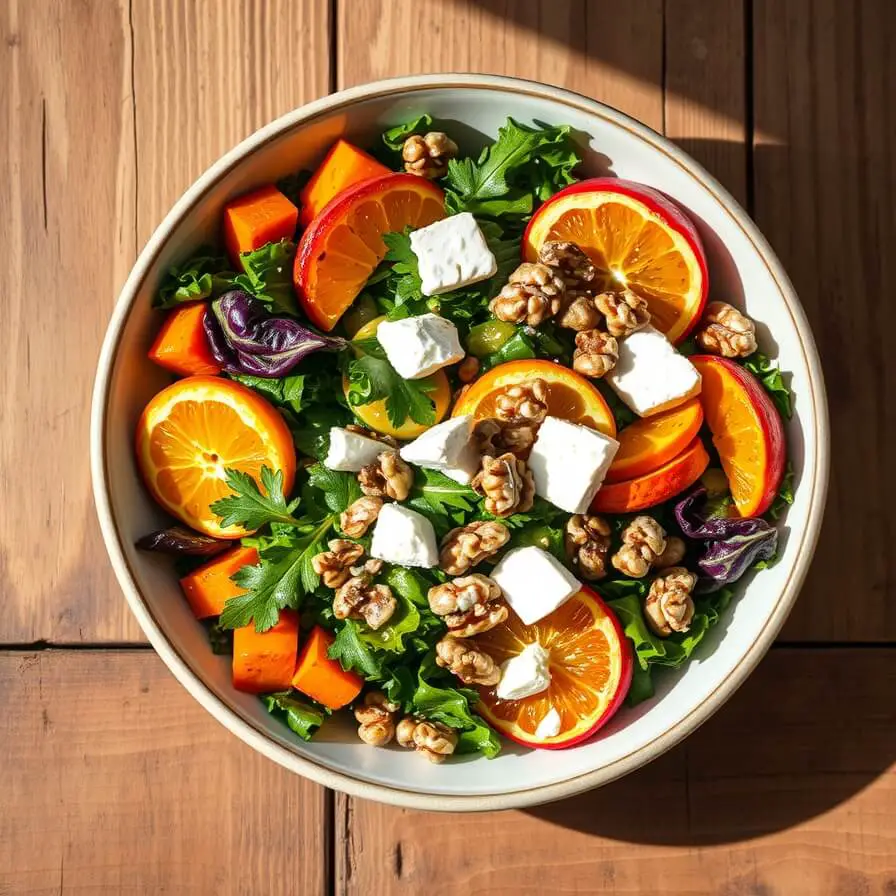
Step-1: Prepare the winter vegetables
Peel and chop your carrots, sweet potatoes, or squash into bite-sized cubes. Try to make them somewhat similar in size so they roast evenly. Spread them out on a baking sheet, drizzle with olive oil, add salt and pepper, and toss gently. You want every piece lightly coated.
Step-2: Roast until beautifully caramelized
Place the baking sheet in a preheated oven (around 200°C/400°F). Roast for 25–30 minutes, flipping halfway to ensure even caramelization. You’re looking for soft centers and golden edges. Let them cool slightly before adding them to the greens.
Step-3: Prep the greens
Wash and dry your kale, arugula, or radicchio. If using kale, massage it gently with a touch of olive oil for about a minute—this softens the leaves and removes bitterness. Tear or chop everything into fork-friendly pieces.
Step-4: Add fresh seasonal elements
Slice your oranges or apples. If using citrus, remove the peel and white pith to avoid bitterness. Cut into segments for a clean, refreshing bite. If you’re using apples or pears, slice them thinly so they blend into the salad rather than dominate it.
Step-5: Toast nuts or seeds
This quick step makes a big difference. Heat a small pan over medium heat and toast your nuts or seeds for 2–3 minutes until they’re fragrant. Do not walk away—they burn quickly.
Step-6: Mix the dressing
Combine olive oil, Dijon mustard, honey, lemon juice, salt, and pepper. Taste and adjust—this dressing should be bright, tangy, and slightly sweet. If it tastes too sharp, add a little more honey. If it tastes too mellow, add a splash more lemon.
Step-7: Build the salad
Start with the greens, add the roasted vegetables, tuck in the citrus or apple slices, sprinkle with toasted nuts, and finish with your cheese of choice. Drizzle the dressing over everything and toss gently. The goal is to coat but not drown the ingredients.
Step-8: Serve immediately
This salad tastes best when the vegetables are still slightly warm. That contrast between warm and crisp makes this dish memorable.
Substitutions
Here’s the hook: winter salads are forgiving, adaptable, and almost impossible to ruin if you understand the purpose behind each component.
If you don’t have sweet potatoes, roasted parsnips or pumpkin work beautifully—they bring a similar natural sweetness.
If kale isn’t your favorite, use baby spinach or mixed winter greens, though they’ll soften more quickly with warm vegetables.
If you want a non-citrus option, apples, pears, or pomegranate arils bring brightness without acidity.
If you can’t have nuts, toasted sunflower or pumpkin seeds add crunch without allergens.
If you’re dairy-free, skip the cheese entirely and use avocado for creaminess.
If you don’t have Dijon mustard, whole-grain mustard adds a rustic, textured kick.
What I love is that every variation keeps the spirit of the dish intact—colorful, fresh, wintery, and satisfying.
Best Side Dish of Wintersalat
To make your meal feel complete, here are three wonderful pairings:
- Crusty garlic bread—perfect for soaking up leftover dressing.
- Herb-roasted chicken—simple, juicy, and cozy for winter.
- Creamy potato soup—warm and hearty, balancing the freshness of the salad.
These sides turn this winter salad from a light dish into a truly comforting meal.
Serving and Presentation Tips
Here’s the hook: a winter salad is one of those dishes that can look effortlessly elegant with just a few small touches, even if the ingredients are simple.
When I serve this Wintersalat, I like to layer the components rather than mix everything all at once. Start by spreading the greens on a large platter—platters always make salads look more generous and inviting. Then arrange the warm roasted vegetables in clustered sections instead of scattering them everywhere. Add your citrus or apple slices last so they stay bright and glossy. A light drizzle of dressing over the top, followed by a sprinkle of nuts or seeds, gives it that “restaurant-style” finish without any extra effort.
Another trick: leave a little space around the edges of the platter. When everything isn’t packed too tightly, the salad feels more intentional and visually balanced. If you’re serving guests, offer the remaining dressing on the side so everyone can add more to taste.
Tips and Tricks to Make This Recipe Better
Hook: the real secret behind unforgettable winter salads isn’t just the ingredients—it’s the tiny decisions you make along the way.
One of the best tips is to roast the vegetables with enough space between them. Crowding leads to steaming, and steaming means no caramelization. Spread them out so they can brown properly—that’s where so much of the flavor comes from.
Another trick is to combine greens with different personalities. Too much kale can make the salad heavy, while all arugula can overpower with pepperiness. Mixing kale with radicchio or a handful of tender greens creates balance.
Always taste your dressing. This salad shines when the dressing has the right brightness. If it tastes flat, add an extra splash of lemon juice. If it tastes too sharp, a tiny drizzle of honey softens it.
And my favorite trick: toss the greens with just a touch of dressing before adding the toppings. This prevents overdressing and helps every bite taste seasoned.
Common Mistakes to Avoid
Hook: even the best recipes can fall flat if a few sneaky mistakes slip in — but they’re incredibly easy to avoid once you know what to watch for.
One common mistake is skipping the massaging step for kale. Unmassaged kale can be tough and bitter. Just one minute of lightly rubbing the leaves makes a world of difference.
Another is dressing the salad too early. Winter greens are sturdy, but warm vegetables can wilt them quickly if they sit too long. Dress right before serving for the best texture.
Some people also forget to segment citrus properly. If the white pith is left on, the salad becomes bitter. Taking the extra minute to cut clean citrus segments truly elevates the flavor.
Also, be careful not to burn the nuts. They can go from golden to scorched in seconds, and burnt nuts make the entire salad taste off.
How to Store It
Winter salads store better than most salads, but a few tricks make the leftovers even better:
- Store the components separately if possible. Keep the greens in one container, the roasted vegetables in another, and the dressing in a small jar.
- If everything is already mixed, the salad will last about 24 hours in the refrigerator. The sturdy greens hold up better than tender ones.
- Add fresh fruit and nuts only when serving. Otherwise, apples brown, and nuts lose their crunch.
- Refresh leftovers with a drizzle of lemon juice to bring back brightness.
FAQ
How can I make this salad more filling?
Add roasted chicken, chickpeas, lentils, quinoa, or a soft-boiled egg for extra protein and heartiness.
Can I prepare the ingredients ahead of time?
Yes. Roast the vegetables the day before and store them in the fridge. Assemble and dress the salad right before serving.
What dressing goes best with winter salads?
A mustard vinaigrette is ideal because it cuts through the sweetness of roasted vegetables and fruit.
Can I use frozen vegetables instead of fresh?
Fresh works best for roasting, but frozen vegetables can be used if roasted at a high temperature to remove excess moisture.
Is this salad good for meal prep?
Yes—just store ingredients separately and toss together when ready to eat.

Wintersalat Rezepte Recipe
- Total Time: 40–45 minutes
- Yield: 4 1x
- Diet: Vegetarian
Description
A bright, hearty, and colorful winter salad that brings warmth and freshness to the season. This Wintersalat Rezept combines roasted vegetables, crisp winter greens, juicy citrus, and a tangy mustard vinaigrette to create a bowl that’s nourishing, vibrant, and satisfying. It’s the kind of salad that feels comforting enough for cold days while still giving you all the freshness you crave. Perfect for weeknight dinners, lunch prep, or entertaining, this salad adapts beautifully to whatever winter ingredients you have on hand and always looks stunning on the table.
Ingredients
- Kale, radicchio, or arugula
- Carrots, sweet potatoes, or squash
- Oranges, apples, or pears
- Walnuts, pecans, or pumpkin seeds
- Feta, goat cheese, or avocado
- Olive oil
- Dijon mustard
- Honey
- Lemon juice
- Salt and pepper
Instructions
- Roast cubed winter vegetables with olive oil, salt, and pepper until caramelized.
- Prepare the greens by washing, drying, and massaging if using kale.
- Slice citrus or apples and toast nuts lightly.
- Whisk the dressing using olive oil, Dijon mustard, honey, lemon, salt, and pepper.
- Assemble the salad by layering greens, roasted vegetables, fruit, nuts, and cheese.
- Drizzle dressing over the top and toss gently right before serving.
Notes
- Use a mix of greens for better flavor and texture.
- Add protein to make it a full meal.
- Adjust dressing sweetness and acidity to taste.
- Prep Time: 10 minutes
- Cook Time: 25–30 minutes
- Category: Salad
- Method: Roasting + Tossing
- Cuisine: European / German-inspired
Nutrition
- Serving Size: 4
- Calories: 320
- Sugar: 12g
- Sodium: 280mg
- Fat: 18g
- Saturated Fat: 4g
- Unsaturated Fat: 13g
- Trans Fat: 0g
- Carbohydrates: 32g
- Fiber: 6g
- Protein: 6g
- Cholesterol: 10mg