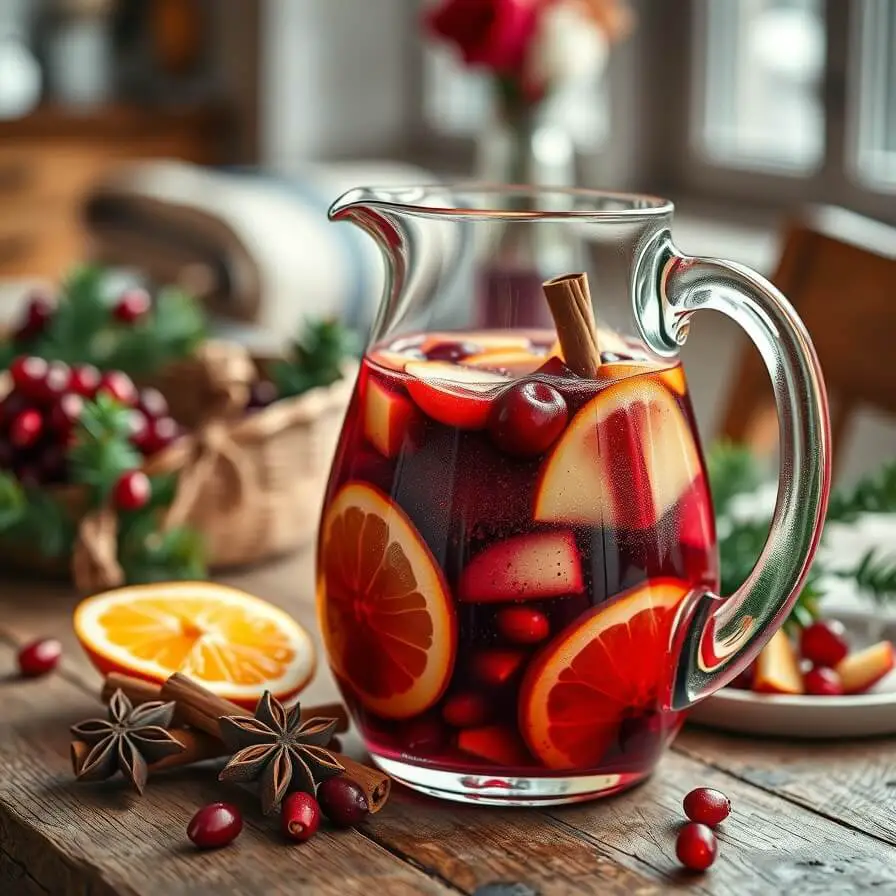
I’ll never forget the first time I made winter sangria. It was the middle of December, and the first snow had dusted the rooftops with a quiet sparkle. My friends were coming over for a small holiday gathering, and I wanted something that felt festive, warm, and just a little indulgent. I didn’t want the fruity, summery sangria we usually sip on during summer barbecues. No, I wanted something that spoke to the season—something comforting, fragrant with spices, and perfect for holding in your hands while the cold air nipped at your nose outside.
As I chopped oranges and cranberries, peeled a fresh apple, and tossed in cinnamon sticks, the kitchen began to smell like a cozy holiday market. My friends arrived, and we all gathered around the counter, sipping this vibrant, ruby-red concoction and instantly feeling the warmth of the season. It was the kind of drink that sparks conversation, that invites laughter, and that somehow makes a chilly winter evening feel like the coziest night at home.
Winter sangria isn’t just a drink—it’s a little ritual. The mix of wine, fresh fruit, and seasonal spices feels celebratory without being fussy. Over the years, I’ve tweaked the recipe here and there, experimenting with different fruits and warming notes. The result is what I consider the ultimate winter sangria—a crowd-pleaser with just the right balance of sweet, tart, and spiced warmth.
Why I Love This Recipe

Winter sangria is different from your usual sangria. It’s not just wine with fruit—it’s a seasonal celebration in a glass. What makes it special is how it balances the sweetness of fresh winter fruits with the subtle warmth of spices and the depth of red wine. It’s not overly sweet, so it pairs beautifully with food, and it doesn’t feel heavy like some holiday cocktails.
I love that it’s versatile. You can make it ahead of time, which is perfect for hosting, and it actually tastes better after a few hours when the flavors have had a chance to meld. The aroma itself is intoxicating: cranberries, oranges, cinnamon, and a touch of star anise combine in a way that instantly feels festive. Friends always comment on the scent before they even take a sip!
Another reason I adore this recipe is the way it encourages creativity. You can swap fruits, try different spices, or even use a sparkling wine instead of still for a fizzy twist. Yet, no matter the variations, the base remains comforting and elegant. It’s a drink that turns a simple winter gathering into a small celebration, and honestly, isn’t that what the season is all about?
Ingredients for Winter Sangria
When it comes to winter sangria, the ingredients are just as important as the method. I always start with a good-quality red wine. It doesn’t have to be expensive, but I find a medium-bodied wine with subtle fruit notes works best. I usually use Merlot or Grenache, as they bring a gentle sweetness that complements the citrus and berries beautifully.
Next come the fruits. I like to use a mix of oranges, apples, and fresh cranberries. The oranges add brightness and a hint of tartness, the apples bring a soft sweetness and texture, and the cranberries add that classic winter pop of color and flavor. Sometimes I throw in a handful of pomegranate seeds for extra sparkle—they look gorgeous and give a subtle tartness that balances the sweetness of the wine.
Spices are what truly make this a winter drink. Cinnamon sticks are essential, and I love adding a touch of star anise and a few cloves. These warm, aromatic notes give the sangria a holiday vibe without being overpowering. For a touch of sweetness, I usually add a little honey or maple syrup, depending on what I have on hand. Lemon or orange zest brightens it up and gives a subtle fragrance that makes each sip feel fresh.
If I’m feeling extra indulgent, I sometimes add a splash of brandy. It’s optional but adds depth and richness, making the sangria feel a little more luxurious—perfect for when guests are over or for a quiet, cozy night in.
How Much Time Will You Need?
One of the best things about winter sangria is how easy it is to prepare. On a busy evening, it takes about 15–20 minutes to chop the fruit, mix everything together, and let it start to mingle. But the magic happens when it chills. I always recommend letting it sit in the fridge for at least 2 hours before serving, though overnight is ideal. The longer it rests, the more the flavors marry, and the richer the aroma becomes.
So, from start to first sip, you’re looking at roughly 2–3 hours, but with very little hands-on effort. And the best part? You can make it early in the day or even the night before, giving you more time to focus on food prep, decorations, or just relaxing before your guests arrive.
How to Make Winter Sangria
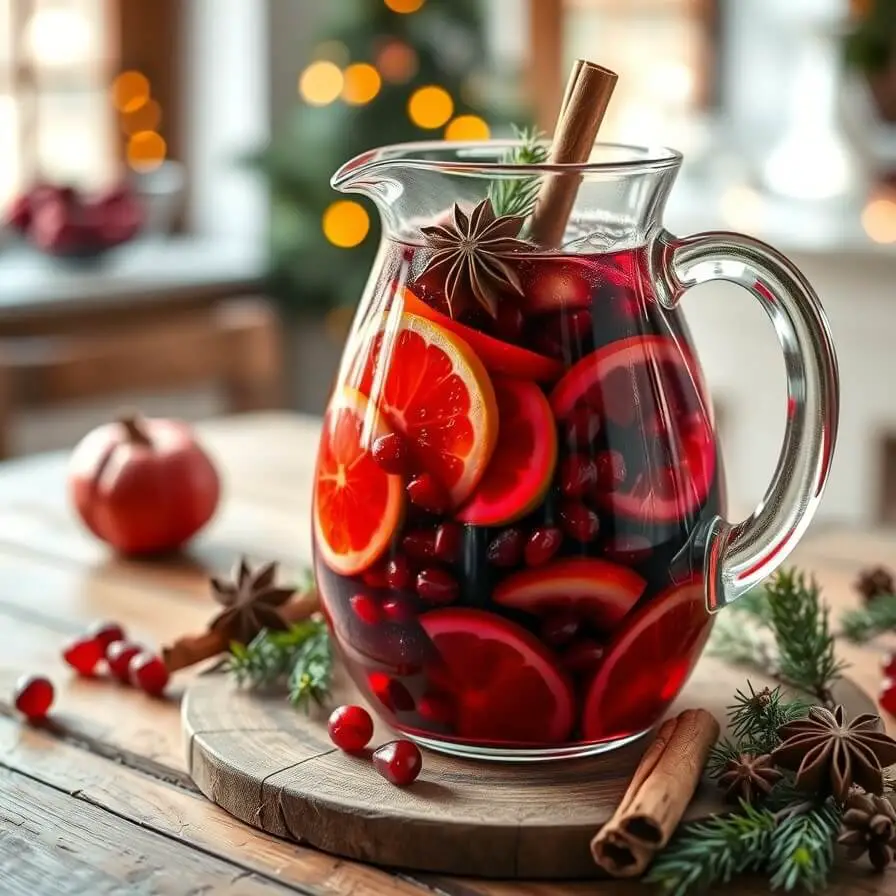
Step – 1: Start with your wine. Pour a full bottle of your chosen red wine into a large pitcher or punch bowl.
Step – 2: Chop your fruit. Slice one orange into thin rounds, then cut an apple into bite-sized cubes. Rinse about a cup of cranberries and set them aside.
Step – 3: Add the fruits to the wine. Gently stir so the wine begins to absorb the flavors and aromas of the fresh fruit.
Step – 4: Spice it up. Add 2–3 cinnamon sticks, 2–3 whole cloves, and one star anise pod. If you love warm spices, feel free to add a pinch of ground nutmeg for an extra cozy touch.
Step – 5: Sweeten naturally. Drizzle in 1–2 tablespoons of honey or maple syrup, depending on your preference. Stir gently to combine.
Step – 6: Optional indulgence. For a richer flavor, add a splash (about 1–2 tablespoons) of brandy or orange liqueur. This step is optional, but it does elevate the sangria beautifully.
Step – 7: Chill and let flavors meld. Cover the pitcher and refrigerate for at least 2 hours, preferably overnight. The longer it sits, the more harmonious and festive the flavors become.
Step – 8: Serve with flair. When ready to serve, gently stir the sangria, then pour over ice or serve as is in elegant glasses. Add a slice of orange or a few cranberries to each glass for an inviting presentation.
Substitutions
One of my favorite things about this recipe is how adaptable it is. Don’t have cranberries? Pomegranate seeds or frozen cherries make a lovely substitute. No apple? Pears are a perfect alternative and add a slightly different sweetness.
If you prefer a lighter sangria, swap half of the red wine with sparkling water or ginger ale. It gives a festive fizz while keeping the drink refreshing. For sweetness, if you don’t have honey or maple syrup, agave syrup or even a little brown sugar works beautifully.
And for the adventurous, try different spices! A small piece of fresh ginger can add a subtle warmth, or a few cardamom pods can give it an exotic twist. These substitutions don’t just save you from missing ingredients—they allow you to put your personal stamp on the sangria.
Best Side Dishes for Winter Sangria
Winter sangria pairs wonderfully with small bites and cozy dishes. I often serve it alongside:
- Cheese and Charcuterie Board: A selection of soft cheeses, cured meats, and crusty bread elevates the experience. The tang of the cheese and the richness of the meats perfectly complement the fruit-forward wine.
- Roasted Nuts: Cinnamon-roasted almonds or spiced pecans make an irresistible snack alongside a glass of sangria, especially during holiday gatherings.
- Mini Savory Tartlets: Think caramelized onion and goat cheese or mushroom and thyme tartlets. The warm, savory flavors balance the sangria’s sweetness beautifully.
These pairings turn a simple glass of winter sangria into an inviting experience that feels like a small, intimate celebration.
Serving and Presentation Tips
Serving winter sangria is almost as enjoyable as making it. There’s something about the deep ruby color, the glint of fruit floating in the glass, and the fragrant spices that makes it feel instantly festive. When I serve this sangria, I like to choose glasses that let the colors shine—simple clear tumblers, elegant stemmed glasses, or even mason jars if it’s a casual gathering.
A few simple touches make the presentation feel special. I love adding a cinnamon stick to each glass as a stirrer, or a slice of orange or apple on the rim. A few cranberries or pomegranate seeds dropped on top give a sparkling, jewel-like effect. If I’m feeling extra festive, I sometimes float a star anise in the pitcher—it smells wonderful and looks beautiful.
I also recommend serving it slightly chilled, rather than ice-cold. The flavors are more pronounced at a slightly warmer temperature, so if you’ve made it ahead, remove it from the fridge about 20–30 minutes before serving.
Tips and Tricks to Make This Recipe Even Better
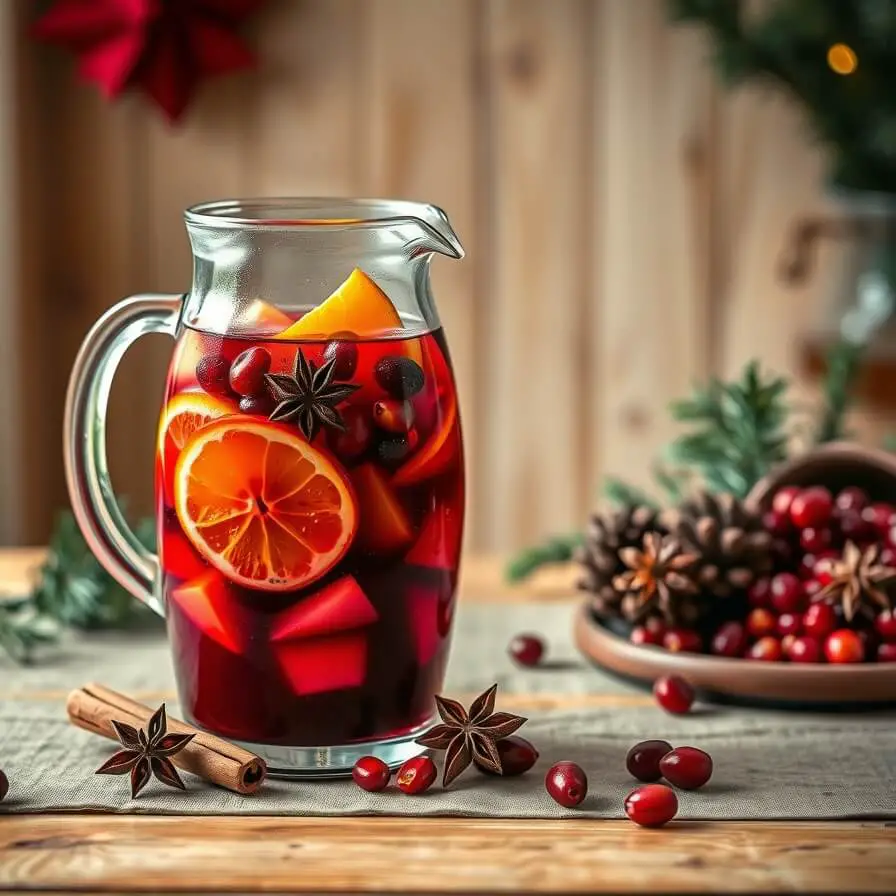
The beauty of winter sangria is its flexibility, and a few simple tweaks can elevate it further:
- Let it rest longer: While 2 hours works, overnight in the fridge allows the fruits and spices to really meld into the wine, giving a richer, more aromatic flavor.
- Balance the sweetness: Taste before serving. Depending on your wine choice, you might need a little extra honey or maple syrup, but avoid over-sweetening—it should still feel crisp and refreshing.
- Experiment with fruits: Swap or add seasonal fruits like pears, pomegranate seeds, or even blood oranges. Frozen fruits work in a pinch and can double as a natural ice substitute.
- Add subtle effervescence: If you love a fizzy sangria, stir in a splash of sparkling water or club soda just before serving. It adds a festive fizz without diluting the flavors.
- Spice it up thoughtfully: Too many spices can overpower the wine, so stick to 2–3 cinnamon sticks, a couple of cloves, and one star anise for the perfect balance.
These little tricks make the sangria feel elevated and show your guests that you put thought into every sip.
Common Mistakes to Avoid
Even though winter sangria is simple, a few common mistakes can impact the final taste:
- Not chilling long enough: Pouring immediately after mixing means the flavors haven’t had time to meld. Always allow at least 2 hours.
- Using low-quality wine: While you don’t need to splurge, a wine that tastes harsh or overly tannic will carry through the sangria. Pick something smooth, fruity, and medium-bodied.
- Over-spicing: Cinnamon, cloves, and star anise are strong. Too much can make the drink taste more like a mulled wine than sangria.
- Adding citrus too late: The zest and slices of citrus release flavor as they sit in wine. Add them early for the most aromatic result.
- Serving ice directly in the pitcher: Ice dilutes the sangria quickly. If you want chilled drinks, add ice cubes only to individual glasses or use frozen fruit as natural ice.
How to Store Winter Sangria
Winter sangria keeps surprisingly well, which is perfect if you like making it ahead for parties. Store it in a sealed pitcher or airtight container in the fridge for up to 3 days. The flavors actually deepen after the first day, so it can taste even better on day two.
Avoid freezing—it changes the texture of the fruits and can water down the wine once thawed. When ready to serve, give it a gentle stir, add a few fresh slices of fruit if desired, and pour into glasses.
FAQ
Can I make this sangria non-alcoholic?
Absolutely! Swap the red wine for grape juice, cranberry juice, or a combination of fruit juices. Add the same fruits and spices, and you’ll have a festive, alcohol-free winter sangria.
Can I use white wine instead?
Yes! A dry or semi-dry white wine, like Sauvignon Blanc or Pinot Grigio, works beautifully. Adjust the fruits and spices slightly—pears, green apples, and a touch of ginger complement white wine wonderfully.
How far in advance can I prepare this?
I recommend making it the night before or at least 2 hours ahead of time. Overnight is ideal because it allows the fruit and spices to fully infuse the wine.
Can I add other alcohol?
Yes, brandy, orange liqueur, or a splash of bourbon can enhance the depth and warmth of the sangria. Start small and taste as you go so it doesn’t overpower the wine.
What fruit works best for winter sangria?
Classic choices are oranges, apples, cranberries, and pomegranate seeds. Pears, blood oranges, and even frozen berries are excellent alternatives.

Winter Sangria Recipe
- Total Time: 2 hours 15 minutes (including chilling)
- Yield: 6–8 1x
- Diet: Vegetarian
Description
Winter Sangria is a festive, aromatic, and comforting drink perfect for chilly winter evenings. Bursting with seasonal fruits like oranges, apples, and cranberries, and infused with warming spices such as cinnamon and star anise, this sangria is both elegant and easy to prepare. Whether you’re hosting friends or enjoying a quiet night by the fire, this drink brings the holiday spirit to any occasion. Its ruby-red hue, fragrant aroma, and balanced flavors make it a standout at any gathering.
Ingredients
- 1 bottle (750ml) red wine, medium-bodied
- 1 orange, thinly sliced
- 1 apple, cubed
- 1 cup fresh cranberries
- 2–3 cinnamon sticks
- 2–3 whole cloves
- 1 star anise pod
- 1–2 tablespoons honey or maple syrup, to taste
- Optional: 1–2 tablespoons brandy or orange liqueur
- Optional garnish: pomegranate seeds, citrus slices
Instructions
- Pour the red wine into a large pitcher or punch bowl.
- Slice the orange and cube the apple, then add them along with the cranberries to the wine.
- Add cinnamon sticks, cloves, and star anise. Stir gently to combine.
- Sweeten with honey or maple syrup, adjusting to taste.
- Optional: stir in brandy or orange liqueur for depth.
- Cover and refrigerate for at least 2 hours, preferably overnight.
- Before serving, stir gently, pour into glasses, and garnish with extra fruit or a cinnamon stick if desired.
Notes
- Use medium-bodied wine for a balanced flavor.
- Let the sangria chill overnight for best results.
- Frozen fruit can substitute fresh fruit and serve as natural ice.
- Adjust sweetness carefully—wine adds natural sweetness.
- Serve slightly chilled, not ice-cold, for the best aroma and taste.
- Prep Time: 15 minutes
- Cook Time: 0 minutes
- Category: Beverage
- Method: No-cook
- Cuisine: American/European-inspired
Nutrition
- Serving Size: 6–8
- Calories: 160
- Sugar: 12g
- Sodium: 5mg
- Fat: 0g
- Saturated Fat: 0g
- Unsaturated Fat: 0g
- Trans Fat: 0g
- Carbohydrates: 18g
- Fiber: 2g
- Protein: 0g
- Cholesterol: 0mg