
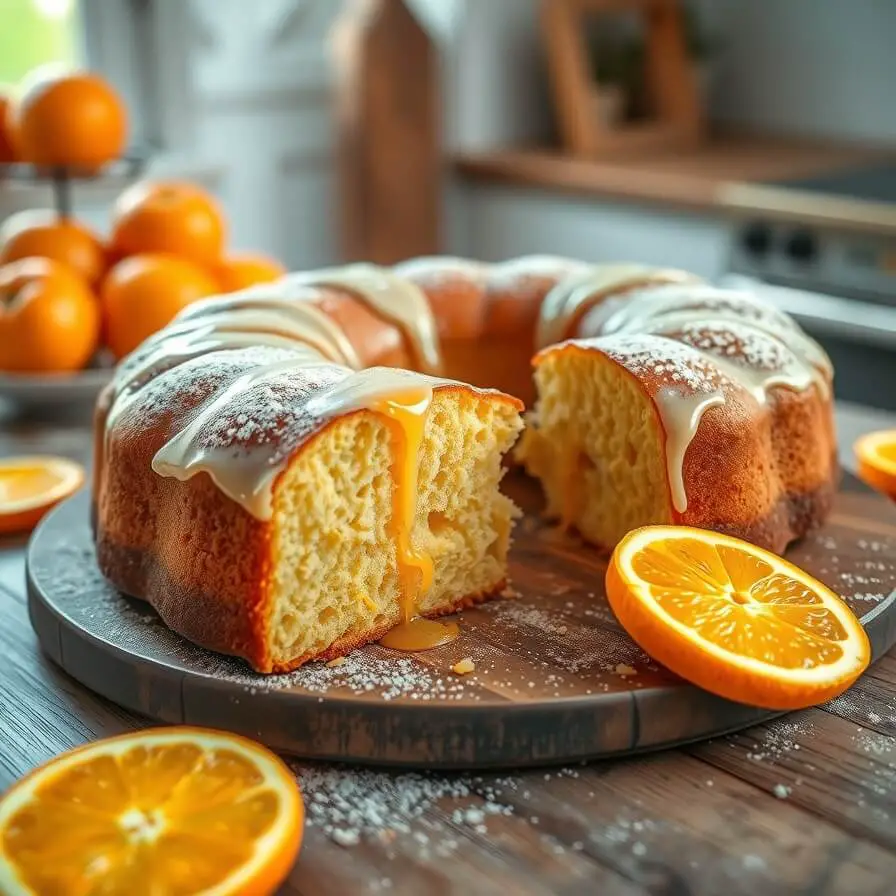
There are certain smells that instantly pull you into a memory, and for me, orange cake is one of them. The moment fresh oranges meet sugar and butter in a warm oven, the whole kitchen changes. It feels brighter, softer, calmer. I first started making this orange cake on quiet afternoons when I wanted something sweet but not heavy—something comforting without being fussy. It became my “in-between” cake. Not a birthday cake. Not a celebration cake. Just a cake you slice while the kettle boils.
What I love most is how simple it feels while still tasting special. The citrus keeps it light, the crumb stays tender, and there’s a gentle fragrance that makes people wander into the kitchen asking, “What are you baking?” I’ve served this cake to friends who swear they don’t like desserts, and they always go back for a second slice. It’s the kind of cake you can dress up with glaze or serve plain with coffee, and it never feels wrong.
This is not an overly detailed, complicated bake. It’s friendly, forgiving, and meant to be enjoyed slowly—both while making it and while eating it.
Why I Love This Recipe
This orange cake holds a very quiet kind of magic. It doesn’t rely on layers, frosting, or dramatic decoration. Its strength comes from balance. The natural sweetness of fresh oranges, the soft richness of butter, and a tender crumb that stays moist for days. I love recipes like this because they respect simple ingredients and let them shine.

What makes this cake special is how approachable it is. You don’t need professional baking skills or expensive tools. You don’t even need a mixer if you don’t want one. It’s the sort of recipe you can make on a whim, even when your kitchen is a little messy and your day feels long. The orange zest perfumes the batter in a way bottled extracts never can, and the fresh juice adds a brightness that keeps the cake from feeling heavy.
People make this recipe because it feels reliable. It’s perfect for afternoon tea, weekend brunch, or as a light dessert after dinner. It’s also a wonderful “first cake” for beginner bakers because the results are so rewarding. Every time I make it, I’m reminded that good baking doesn’t have to be complicated—it just has to be thoughtful.
Ingredients for Orange Cake
The ingredients in this orange cake are simple, but each one plays an important role. I always encourage reading through them before starting because understanding what each ingredient does makes baking feel far less intimidating.
You’ll need fresh oranges, and this is where the flavor really begins. I use both the zest and the juice. The zest gives that intense citrus aroma, while the juice adds moisture and natural sweetness. Choose oranges that feel heavy for their size and smell fragrant when you scratch the peel.
Butter gives the cake its richness and soft crumb. I prefer unsalted butter so I can control the salt level myself. Sugar sweetens the cake, but it also helps create a tender texture when creamed with butter. Eggs provide structure and help bind everything together, making the cake rise evenly.
Flour forms the backbone of the cake. Regular all-purpose flour works beautifully here. Baking powder helps the cake rise gently, while a pinch of salt balances the sweetness and enhances the orange flavor. Finally, a splash of milk or yogurt brings everything together, adding moisture and a slight creaminess that keeps the cake soft even the next day.
How Much Time Will You Need?
This orange cake is wonderfully low-stress when it comes to time. From start to finish, you’re looking at about an hour, give or take a few minutes. Preparation usually takes around 15 to 20 minutes, especially if you zest and juice the oranges ahead of time. Baking time is roughly 35 to 40 minutes, depending on your oven.
What I love is that there’s no rushing involved. You can take your time mixing the batter, enjoy the scent of oranges as you zest them, and still have a beautiful cake cooling on the counter within the hour. It’s perfect for spontaneous baking moments when you don’t want to commit half your day to the kitchen.
How to Make This Orange Cake
This is a very forgiving cake, but I always recommend following the steps in order for the best results.
Step – 1: Prepare your oven and pan
Start by preheating your oven to 350°F (175°C). Grease a round or loaf cake pan with butter and lightly dust it with flour. This ensures the cake releases easily after baking.
Step – 2: Cream the butter and sugar
In a large bowl, beat the softened butter and sugar together until light and fluffy. This step is important because it traps air, which helps the cake rise evenly.
Step – 3: Add eggs and orange zest
Add the eggs one at a time, mixing well after each addition. Stir in the orange zest. At this stage, the batter should smell beautifully citrusy.
Step – 4: Mix dry ingredients separately
In another bowl, whisk together the flour, baking powder, and salt. This helps distribute the leavening evenly through the cake.
Step – 5: Combine wet and dry ingredients
Add the dry ingredients to the butter mixture in batches, alternating with the orange juice and milk. Mix gently until just combined. Avoid overmixing, as this can make the cake dense.
Step – 6: Bake the cake
Pour the batter into the prepared pan and smooth the top. Bake until the cake is golden and a toothpick inserted into the center comes out clean.
Step – 7: Cool and rest
Let the cake cool in the pan for about 10 minutes before transferring it to a wire rack. Allowing it to rest helps the crumb set properly.
Substitutions
One of the reasons I return to this orange cake again and again is how adaptable it is. If you don’t have fresh oranges, you can use bottled orange juice in a pinch, though fresh will always give the best flavor. Yogurt can replace milk for a slightly tangier crumb, which I personally love.
Butter can be substituted with a neutral oil if you prefer a dairy-free version, and the cake will still stay moist. For a deeper flavor, you can swap some of the sugar for honey, keeping in mind that it will add extra moisture and a slightly darker color.
Flour substitutions work as well, as long as you choose one that’s suitable for baking. Just remember that changing ingredients may slightly alter the texture, but the spirit of the cake remains the same.
Best Side Dish of Orange Cake
Orange cake pairs beautifully with simple accompaniments that don’t overpower its delicate flavor. A dollop of lightly sweetened whipped cream adds softness and richness. Fresh berries bring a refreshing contrast that complements the citrus notes. A cup of hot tea or freshly brewed coffee turns a simple slice into a comforting ritual.
Serving and Presentation Tips
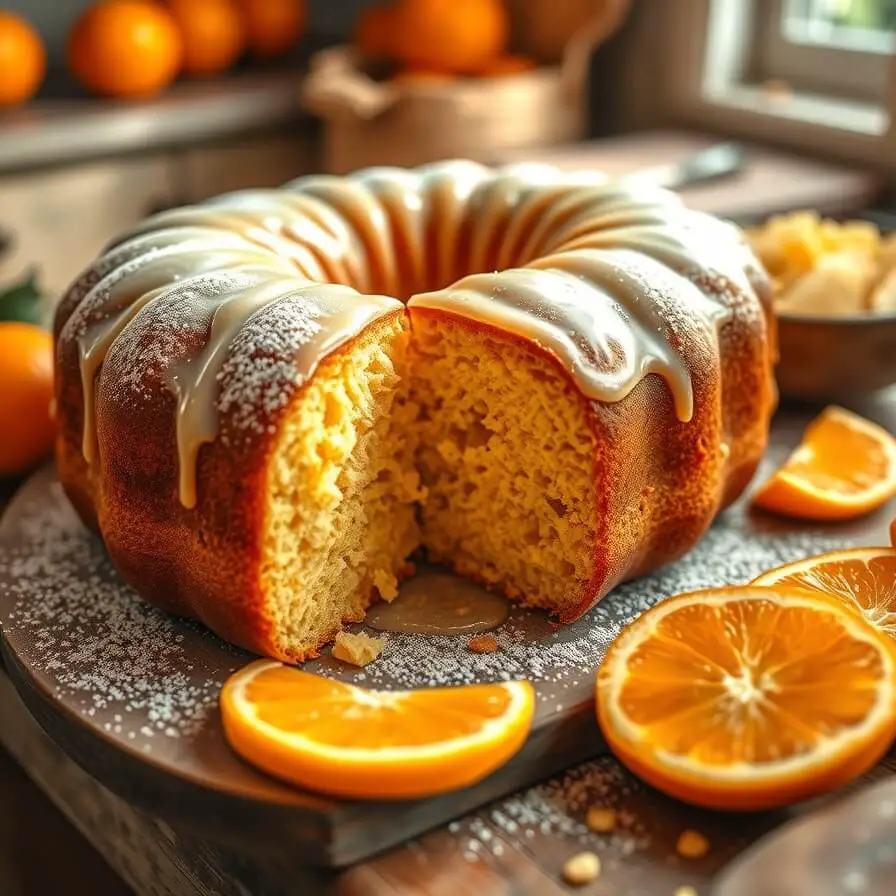
There’s something quietly satisfying about serving a cake that looks effortless but still feels special. Orange cake is exactly that kind of dessert. You don’t need elaborate decorations to make it shine. I usually let the cake cool completely, then dust the top lightly with powdered sugar. It catches the light beautifully and hints at sweetness without overwhelming the cake itself.
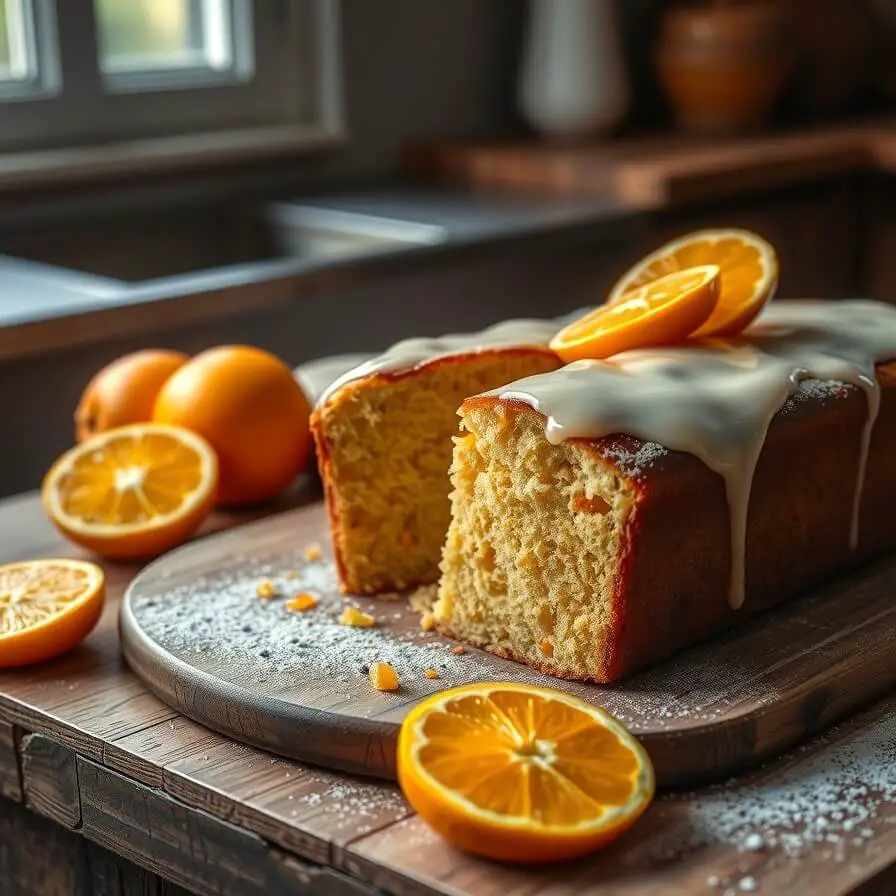
If I’m serving this to guests, I sometimes add a simple orange glaze made with fresh juice and powdered sugar. I drizzle it slowly over the top and let it drip naturally down the sides. It doesn’t have to be perfect—that casual look actually suits this cake best. Thin slices arranged on a neutral plate, with a few fresh orange segments or berries on the side, instantly elevate the presentation.
For everyday moments, I just slice it thick and serve it straight from the cutting board. Paired with tea or coffee, it feels warm and inviting, like something meant to be shared without ceremony.
Tips and Tricks to Make This Recipe Better
This cake is already simple and reliable, but a few thoughtful touches can make it even better. One of my favorite tricks is rubbing the orange zest into the sugar before creaming it with butter. This releases the natural oils and intensifies the citrus aroma throughout the cake.
Always bring your ingredients to room temperature before baking. Cold butter or eggs can cause the batter to curdle slightly, which affects the final texture. Mixing gently once the flour is added is another important detail. Overmixing develops too much gluten and can turn a tender cake dense.
If you want extra moisture, brush the warm cake lightly with fresh orange juice right after baking. It soaks in gently and adds a subtle burst of flavor. Letting the cake rest for a few hours before slicing also improves the texture, giving the crumb time to settle.
Common Mistakes to Avoid
One of the most common mistakes is using bottled orange flavoring instead of real oranges. While it may seem convenient, it lacks the freshness that makes this cake special. Overbaking is another issue. Orange cake should be soft and tender, not dry. Check it a few minutes before the suggested baking time and trust your instincts.
Measuring flour incorrectly can also cause problems. Too much flour will make the cake heavy, so it’s best to spoon it into the measuring cup and level it off. Finally, skipping the cooling time can cause the cake to break when removed from the pan. Patience here really pays off.
How to Store It
Orange cake stores beautifully, which makes it ideal for baking ahead. Once completely cooled, I wrap it tightly in plastic wrap or store it in an airtight container. At room temperature, it stays fresh for up to three days.
If you prefer refrigeration, it will keep for up to a week, though I recommend bringing it back to room temperature before serving to restore its softness. This cake also freezes well. Wrap individual slices or the whole cake in plastic wrap, then foil, and freeze for up to two months. Thaw slowly at room temperature for the best texture.
FAQ
Can I make this cake ahead of time?
Yes, this cake actually tastes better the next day as the flavors develop. Just store it properly and glaze before serving if desired.
Can I use mandarins or clementines instead of oranges?
You can, though the flavor will be slightly sweeter and milder. Adjust the sugar if needed.
Does this cake work in a loaf pan?
Absolutely. A loaf pan works very well; just adjust the baking time slightly.
Can I make this cake dairy-free?
Yes, you can use oil instead of butter and a plant-based milk without compromising too much on texture.
Can I add nuts or chocolate?
Yes, chopped almonds or dark chocolate chips pair beautifully with orange flavor.

Orange Cake Recipe
- Total Time: 1 hour
- Yield: 8 1x
- Diet: Vegetarian
Description
This orange cake is a simple, comforting bake that celebrates fresh citrus flavor in the most natural way. Made with real oranges, soft butter, and pantry staples, it delivers a moist, tender crumb and a gentle sweetness that never feels heavy. It’s the kind of cake you bake on a quiet afternoon, slice generously, and enjoy slowly with a warm drink. Whether served plain, dusted with sugar, or lightly glazed, this orange cake fits effortlessly into everyday life. It’s beginner-friendly, adaptable, and perfect for anyone who loves unfussy baking with honest ingredients and big flavor.
Ingredients
- Fresh oranges for zest and juice
- Unsalted butter, softened
- Granulated sugar
- Eggs
- All-purpose flour
- Baking powder
- Salt
- Milk or yogurt
Instructions
- Preheat the oven and prepare your cake pan.
- Cream butter and sugar until light and fluffy.
- Add eggs one at a time, then mix in orange zest.
- Combine dry ingredients separately and add gradually.
- Alternate dry ingredients with orange juice and milk.
- Pour batter into the pan and bake until golden and set.
- Cool before slicing or glazing.
Notes
- Using fresh oranges makes a noticeable difference in flavor. Allow the cake to rest before serving for the best texture. A light glaze or dusting of sugar is optional but lovely.
- Prep Time: 20 minutes
- Cook Time: 40 minutes
- Category: Dessert
- Method: Baking
- Cuisine: European-style home baking
Nutrition
- Serving Size: 8
- Calories: 290
- Sugar: 22g
- Sodium: 180mg
- Fat: 14g
- Saturated Fat: 8g
- Unsaturated Fat: 5g
- Trans Fat: 0g
- Carbohydrates: 38g
- Fiber: 2g
- Protein: 5g
- Cholesterol: 75mg