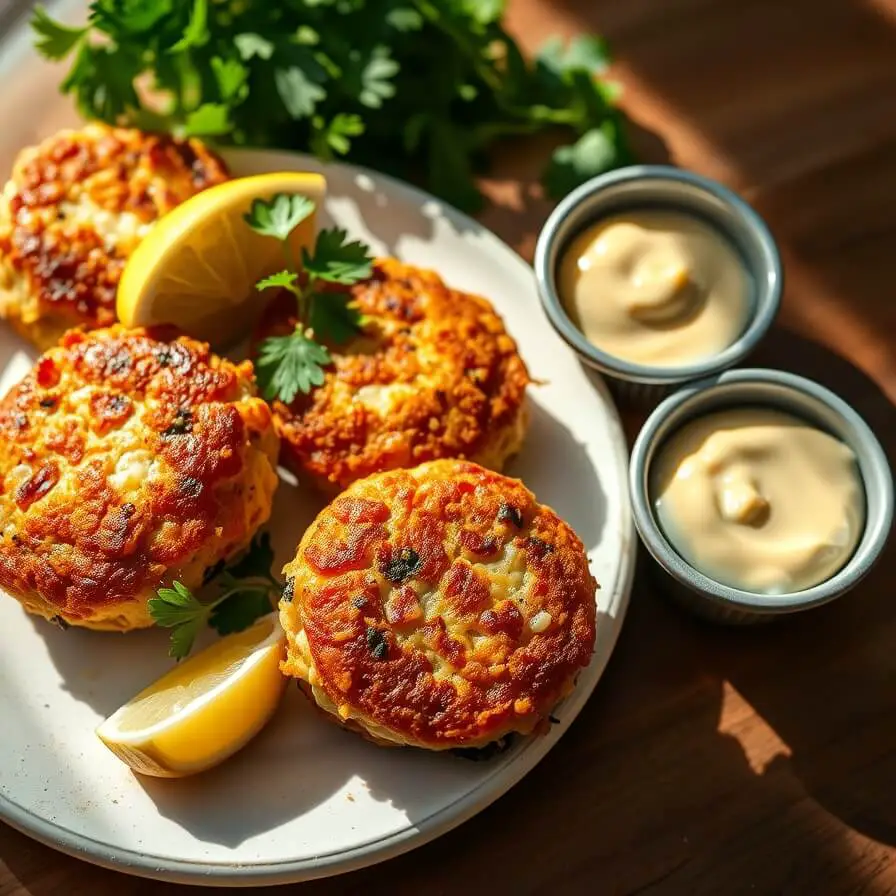
The first time I made Maryland crab cakes at home, I remember being oddly nervous. This is one of those recipes that carries history with it, the kind locals defend fiercely and visitors remember forever. I had tasted incredible crab cakes on a small trip to the Chesapeake Bay years ago—golden on the outside, barely held together, sweet with crab rather than breadcrumbs. Back in my own kitchen, I wanted that same feeling without overthinking it.
What surprised me most was how simple they’re meant to be. No heavy fillers, no complicated seasoning blends, no tricks to hide the crab. Just respect the ingredient and let it shine. I made these on a quiet weekend afternoon, windows open, Old Bay sitting proudly on the counter. When I flipped the first cake in the pan and smelled that buttery seafood aroma, my confidence grew. By the time we sat down to eat, the plates were nearly silent—always the best compliment.
This is not a restaurant-style crab cake weighed down by extras. This is the Maryland way: light, tender, and focused on sweet lump crab meat. If you’ve ever been intimidated by seafood cooking, this recipe gently pulls you in and proves that simple, careful cooking can be incredibly rewarding.
Why I Love This Recipe
What makes Maryland crab cakes special is also what makes this recipe so close to my heart: restraint. This is a recipe that asks you not to do too much. Instead of masking the crab, it highlights it. Every bite tastes like the sea, lightly seasoned, soft and flaky inside with a delicate crust on the outside.

I love this recipe because it feels honest. It doesn’t pretend to be fancy, but it delivers something that feels luxurious. Lump crab meat is naturally sweet and tender, and when handled gently, it barely needs help. A little mayonnaise for moisture, a touch of mustard for sharpness, Old Bay for that unmistakable Chesapeake flavor, and just enough binder to keep everything together. That’s it.
This is the kind of dish you make when you want to slow down. You have to fold the ingredients carefully. You can’t rush shaping the cakes or flipping them too soon. In return, you get crab cakes that don’t fall apart, don’t feel heavy, and don’t leave you wishing you’d ordered something else.
People make this recipe because it’s impressive without being stressful. It works for a weeknight dinner but also feels special enough for guests. It’s comforting, nostalgic, and deeply satisfying—especially when you realize you made something that tastes like it came from a coastal kitchen rather than your own stovetop.
Ingredients for Maryland Crab Cakes
The ingredient list is short, but every component matters. This is one of those recipes where quality really shows, so I always recommend using the best you can find.
The star is lump crab meat. Fresh is ideal, but high-quality refrigerated crab works beautifully too. Look for big, intact pieces and take a minute to gently check for shells. This step feels small, but it makes the final dish much more enjoyable.
Mayonnaise gives the crab cakes moisture and richness without making them greasy. I use just enough to bind everything together. Dijon mustard adds a subtle tang that cuts through the richness and keeps the flavor balanced.
Old Bay seasoning is non-negotiable if you want true Maryland flavor. It’s warm, slightly spicy, and instantly recognizable. A little Worcestershire sauce adds depth, and a squeeze of lemon brightens everything up.
Egg acts as a gentle binder, while breadcrumbs are used sparingly. The goal is not to stretch the crab but to support it. I prefer fine breadcrumbs or crushed saltines because they disappear into the mixture rather than announcing themselves.
Fresh parsley brings freshness and color, and a pinch of salt and pepper helps everything come together. That’s it. No onions, no peppers, no distractions. Just ingredients that respect the crab.
How Much Time Will You Need?
This is not a recipe that takes all day, but it does reward a little patience. From start to finish, you’re looking at about 45 minutes to an hour.
Prep time is around 20 minutes, mostly spent gently mixing and shaping the crab cakes. I always recommend chilling them for at least 15 minutes before cooking. This helps them hold together and makes them easier to handle.
Cooking time is quick, about 8 to 10 minutes total. They cook fast, and overcooking is the easiest way to ruin them, so staying nearby is important.
Overall, this is a relaxed recipe rather than a rushed one. Perfect for a calm afternoon or an easy evening when you want something special without stress.
How to Make This Maryland Crab Cakes
Step – 1:
Start by placing the crab meat in a large bowl. Gently go through it with your fingers, checking for any shell fragments. Try not to break up the lumps too much—those big pieces are what make the crab cakes special.
Step – 2:
In a separate bowl, whisk together the mayonnaise, Dijon mustard, Worcestershire sauce, lemon juice, Old Bay seasoning, egg, salt, and pepper. This ensures the seasoning is evenly distributed before it touches the crab.
Step – 3:
Pour the mayonnaise mixture over the crab meat. Add the breadcrumbs and chopped parsley. Using a spatula or your hands, gently fold everything together. Think of lifting and turning rather than stirring. Stop as soon as the mixture holds together.
Step – 4:
Shape the mixture into evenly sized patties. I usually aim for medium-sized cakes that are about an inch thick. Place them on a plate or baking sheet lined with parchment.
Step – 5:
Refrigerate the crab cakes for at least 15 minutes. This step helps them firm up and prevents them from falling apart during cooking.
Step – 6:
Heat a skillet over medium heat and add a mix of butter and oil. Once hot, carefully place the crab cakes in the pan. Cook without moving them for about 4 minutes, until a golden crust forms.
Step – 7:
Gently flip and cook for another 3 to 4 minutes. They should be warmed through and lightly crisp on both sides. Remove from the pan and let them rest for a minute before serving.
Substitutions
If you don’t have access to lump crab meat, backfin crab is the next best option. It’s slightly smaller pieces but still flavorful and tender. I avoid imitation crab entirely for this recipe—it changes the texture and taste too much.
For breadcrumbs, crushed saltines or panko both work well. Saltines are more traditional, while panko gives a slightly lighter texture. If you’re out of Dijon mustard, a mild yellow mustard can work in a pinch, though the flavor will be less complex.
You can substitute Greek yogurt for some of the mayonnaise if you want a lighter version, but I recommend keeping at least half mayo for richness. Fresh parsley can be swapped with chives for a milder, onion-like note.
These substitutions don’t overpower the recipe; they simply adapt it to what you have on hand while keeping the spirit of Maryland crab cakes intact.
Best Side Dish of Maryland Crab Cakes
A classic coleslaw is my first choice. The crunch and acidity balance the richness of the crab cakes beautifully.
Roasted potatoes, especially small baby potatoes with herbs, make the meal feel hearty without stealing attention from the crab.
A simple green salad with a lemon vinaigrette keeps everything light and fresh, especially if you’re serving the crab cakes as the main event.
Serving and Presentation Tips
There’s something quietly elegant about serving crab cakes well. They don’t need elaborate garnishes or dramatic plating. In fact, the more simply they’re presented, the more confident and inviting they feel.
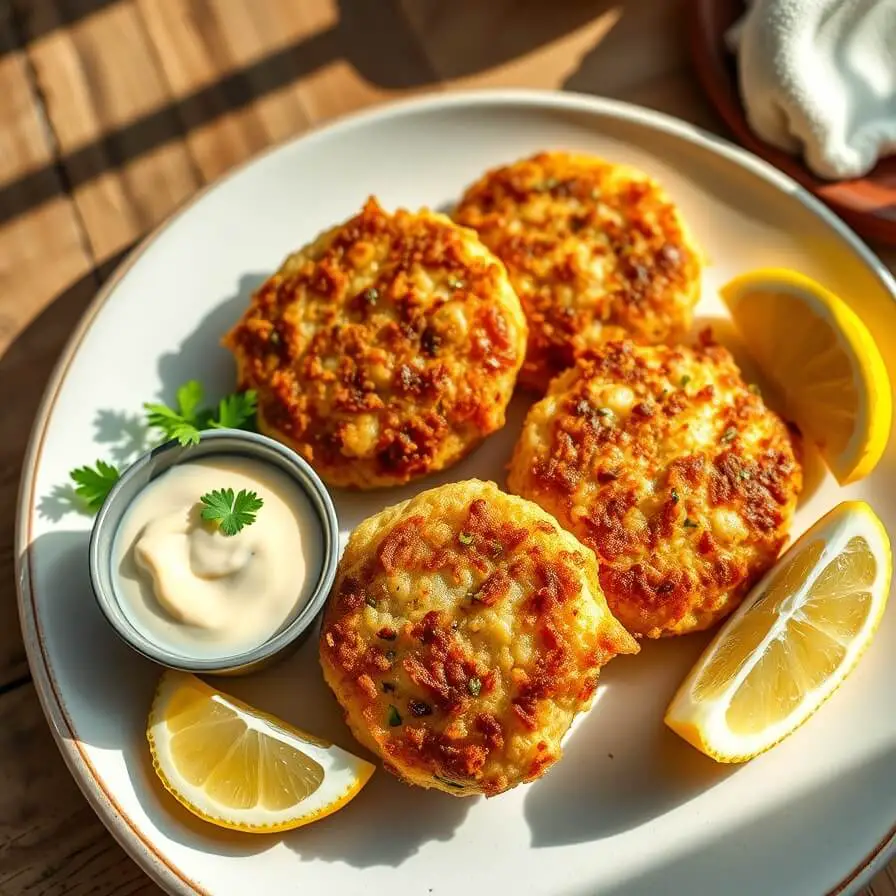
I like to serve Maryland crab cakes warm, not piping hot. Letting them rest for a minute or two after cooking helps the texture settle and keeps the inside tender. A clean white plate works beautifully here—it highlights the golden crust and makes the crab cakes look restaurant-worthy without trying too hard.
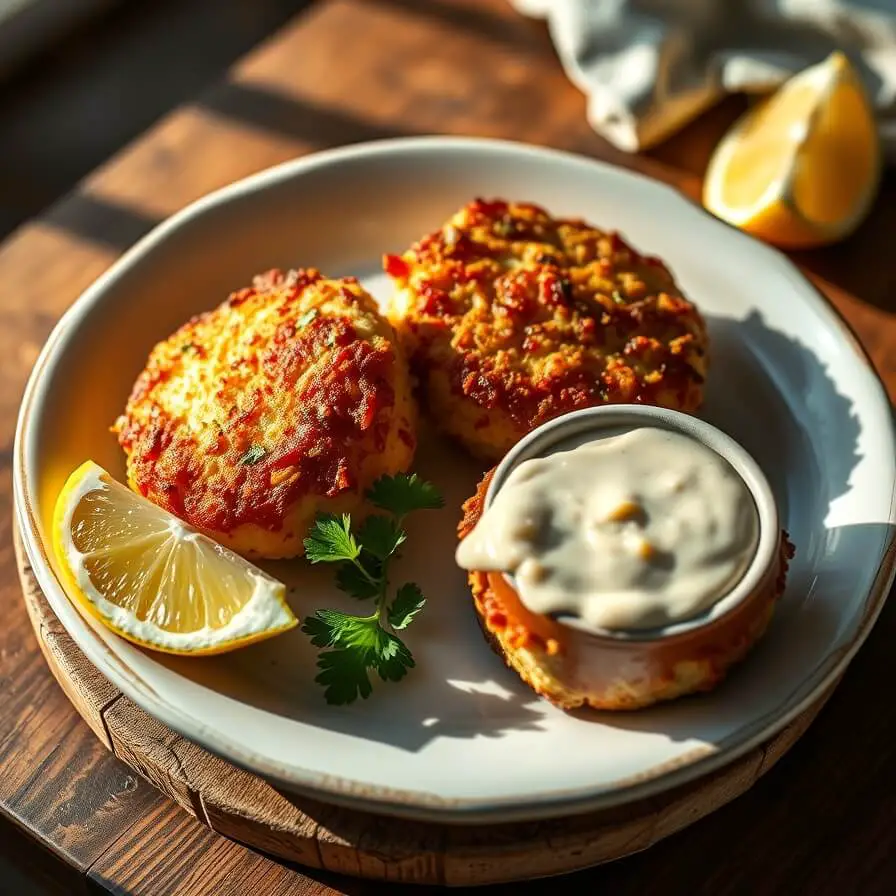
A small lemon wedge on the side is essential. Not everyone will use it, but those who do will appreciate that bright squeeze right before the first bite. If you’re adding a sauce, keep it minimal. A light drizzle of tartar sauce or a simple lemon aioli placed beside the cake—not on top—keeps the crust crisp.
If you’re serving guests, stacking two smaller crab cakes slightly offset from each other looks polished and intentional. Finish with a sprinkle of fresh parsley for color, and let the crab cakes speak for themselves. This is one of those dishes where confidence in simplicity always pays off.
Tips and Tricks to Make This Recipe Better
This recipe is straightforward, but a few small details can take your crab cakes from good to unforgettable.
Always keep the mixture cold. Warm crab cake mixture tends to fall apart and cook unevenly. If your kitchen is warm, don’t hesitate to chill the mixture a bit longer before shaping.
Use your hands gently. Pressing too firmly compacts the cakes and makes them dense. You want them just tight enough to hold together, nothing more.
When cooking, resist the urge to move them around. Letting that first side develop a proper crust is key to both flavor and structure. If you try to flip too soon, they’ll stick or break.
Butter adds incredible flavor, but it can burn. Mixing it with a little oil gives you the best of both worlds: taste and control. And finally, taste your seasoning mixture before adding the crab. It’s the safest way to make sure the final result is balanced without over-seasoning the delicate meat.
Common Mistakes to Avoid
The biggest mistake people make with crab cakes is adding too many fillers. Breadcrumbs, vegetables, and extra ingredients might seem helpful, but they dilute the crab flavor. If it doesn’t support the crab, it doesn’t belong.
Another common error is overmixing. Stirring aggressively breaks up the crab lumps and turns the mixture mushy. Folding gently preserves texture and gives you those beautiful chunks in every bite.
Cooking at too high a heat is also a problem. High heat browns the outside too fast while leaving the inside cold. Medium heat gives you control and even cooking.
Lastly, skipping the chilling step often leads to fragile cakes. That short rest in the fridge is not optional—it’s what helps everything come together smoothly in the pan.
How to Store It
If you have leftovers, Maryland crab cakes store better than most people expect. Once cooled, place them in an airtight container and refrigerate for up to three days.
To reheat, avoid the microwave if possible. It softens the crust and can make the crab rubbery. Instead, reheat them gently in a skillet over low heat or in a 325°F oven until warmed through.
You can also freeze uncooked crab cakes. Place them on a baking sheet, freeze until firm, then transfer to a freezer-safe container. They’ll keep well for up to one month. Cook them straight from frozen, adding a couple of extra minutes per side.
FAQ
Can I bake Maryland crab cakes instead of pan-frying?
Yes, baking works well if you prefer a lighter approach. Brush the tops with melted butter and bake at 400°F until golden, flipping once halfway through.
What type of crab meat is best for crab cakes?
Lump crab meat is ideal because of its large, tender pieces and sweet flavor. Backfin is a good second choice.
Can I make the mixture ahead of time?
Absolutely. You can prepare the mixture and shape the cakes up to a day in advance. Keep them covered and refrigerated until ready to cook.
Why do my crab cakes fall apart?
This usually happens from skipping the chilling step, using too little binder, or flipping them too soon during cooking.
Are Maryland crab cakes spicy?
They’re more savory than spicy. Old Bay adds warmth and depth rather than heat, making them approachable for most palates.

Maryland Crab Cakes Recipe
- Total Time: 30 minutes
- Yield: 4 1x
- Diet: Gluten Free
Description
These Maryland crab cakes are all about honoring the ingredient. Sweet lump crab meat takes center stage, lightly bound with just enough seasoning to enhance—not mask—its natural flavor. The texture is soft and delicate inside, with a gentle golden crust that adds contrast without heaviness. This is the kind of recipe you return to again and again, whether you’re cooking for yourself on a quiet evening or serving guests who appreciate classic, well-made food. Simple, thoughtful, and deeply satisfying, these crab cakes prove that less truly can be more when the ingredients are treated with care.
Ingredients
- Lump crab meat
- Mayonnaise
- Dijon mustard
- Egg
- Old Bay seasoning
- Worcestershire sauce
- Lemon juice
- Gluten-free breadcrumbs or crushed gluten-free crackers
- Fresh parsley
- Butter and oil for cooking
- Salt and black pepper
Instructions
- Gently check the crab meat for shells and place it in a bowl.
- Whisk together mayonnaise, mustard, egg, seasoning, lemon juice, and Worcestershire sauce.
- Fold the mixture into the crab along with breadcrumbs and parsley.
- Shape into patties and refrigerate briefly to firm.
- Pan-fry in butter and oil until golden on both sides and heated through.
Notes
- Handle the crab mixture gently to keep the texture light. Chill before cooking and cook over medium heat for the best results.
- Prep Time: 20 minutes
- Cook Time: 10 minutes
- Category: Main Course
- Method: Pan-Fried
- Cuisine: American
Nutrition
- Serving Size: 4
- Calories: 285
- Sugar: 1.2g
- Sodium: 640mg
- Fat: 18g
- Saturated Fat: 6g
- Unsaturated Fat: 11g
- Trans Fat: 0g
- Carbohydrates: 8g
- Fiber: 0.5g
- Protein: 22g
- Cholesterol: 95mg