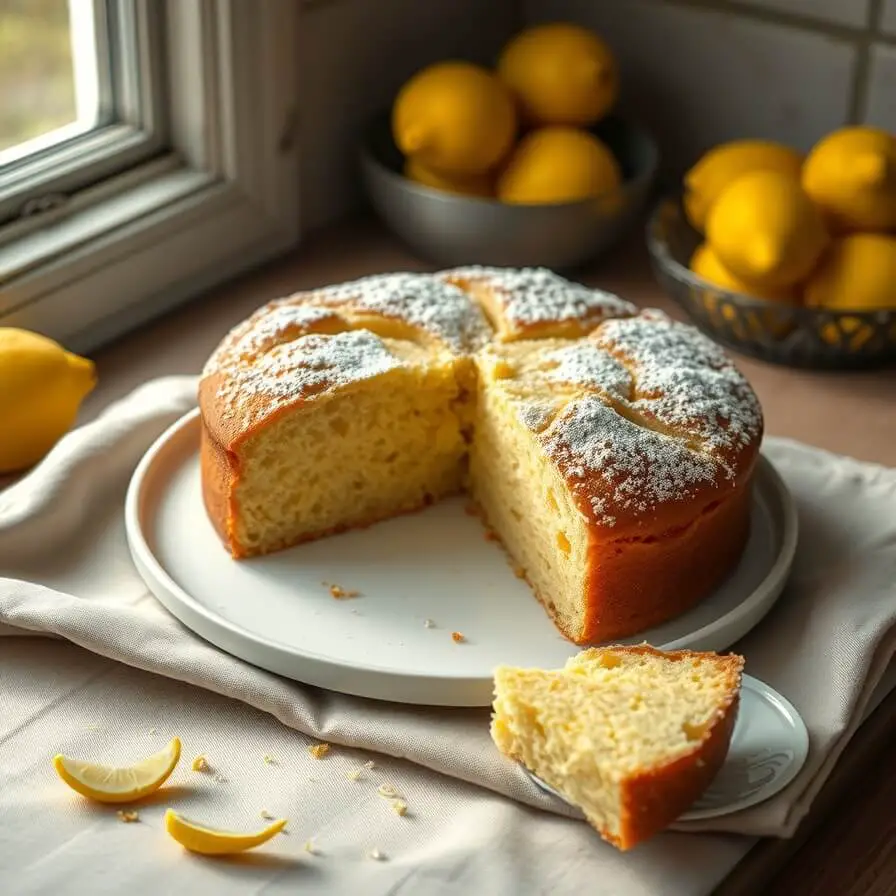
The first time I baked a lemon ricotta cake, it wasn’t planned. I had a tub of ricotta sitting in the fridge from a pasta night that never quite happened, a few lemons rolling around in the fruit bowl, and one of those quiet afternoons where baking feels less like a task and more like therapy. I remember the smell most clearly — that soft, almost creamy lemon aroma filling the kitchen while the cake baked slowly, turning golden on top.
When I pulled it out of the oven, my family wandered in one by one, asking what smelled so good. No frosting, no layers, no fuss — just a simple cake cooling on the counter, promising something special. That first slice surprised all of us. It was light but rich, moist without being heavy, and gently sweet with a brightness that made you want another bite.
This lemon ricotta cake has become one of those recipes I return to when I want something comforting yet elegant. It’s the kind of cake you can make on a lazy Sunday, serve to guests without stress, or enjoy quietly with a cup of coffee. It doesn’t shout for attention, but once you taste it, you remember it.
Why I Love This Recipe
There’s something deeply comforting about this lemon ricotta cake, and that’s exactly why I love it so much. It doesn’t rely on fancy techniques or hard-to-find ingredients. Instead, it leans on balance — the creaminess of ricotta, the freshness of lemon, and a tender crumb that feels almost bakery-worthy without any intimidation.

What makes this cake special is the ricotta itself. Ricotta changes everything. It adds moisture without heaviness, giving the cake a soft, almost cloud-like texture. Unlike cakes that dry out the next day, this one stays beautifully tender for days, which means you can bake it ahead without worry. In fact, I think it tastes even better the day after, once the lemon flavor has had time to settle in.
The lemon plays a quiet but confident role here. It’s not sharp or sour. Instead, it lifts the cake, cutting through the richness and keeping every bite fresh. I love that it feels indulgent but never overwhelming. This is the cake I make when someone says they “don’t like overly sweet desserts.” It always changes their mind.
Another reason I come back to this recipe is how versatile it is. You can dress it up with a dusting of powdered sugar or serve it plain and let the texture speak for itself. It works just as well for brunch as it does for dessert. That flexibility makes it feel like a recipe worth keeping close — one you’ll reach for again and again.
Ingredients for Lemon Ricotta Cake
This recipe comes together with simple, familiar ingredients, but each one has a role to play. I always say this is the kind of cake where quality matters, not complexity.
You’ll need ricotta cheese, and this is where I pause and encourage you to choose wisely. A whole-milk ricotta gives the best result — creamy, rich, and smooth. If your ricotta looks watery, take a minute to drain it. That small step makes a big difference in the final texture.
Fresh lemons are essential here. Both the zest and the juice bring flavor, but the zest is where the magic lives. It carries all those fragrant lemon oils that make the cake smell irresistible while it bakes. Bottled lemon juice just doesn’t compare.
Eggs help bind the cake and add structure while keeping it light. I like to bring them to room temperature so they mix more smoothly into the batter.
Sugar adds sweetness, but it also helps create that tender crumb we love. This isn’t a very sweet cake, so don’t be tempted to cut it back too much.
Butter provides richness and flavor. Softened butter blends easily and gives the cake a delicate, melt-in-your-mouth feel.
All-purpose flour keeps things simple. It gives enough structure without making the cake dense.
A little baking powder helps the cake rise gently, while a pinch of salt balances the sweetness and enhances the lemon.
Vanilla extract rounds everything out, adding warmth and depth without stealing the spotlight.
How Much Time Will You Need
One of the things I appreciate most about this lemon ricotta cake is that it fits easily into a busy day. You’ll need about fifteen to twenty minutes to prepare the batter. There’s no complicated mixing or resting time, just a calm, straightforward process.
The cake bakes for around forty-five to fifty minutes, depending on your oven. During that time, your kitchen will smell incredible, and you’ll know you’re onto something good. After baking, I like to let the cake cool for at least twenty minutes before slicing. That rest helps it set properly and makes cutting much easier.
From start to finish, you’re looking at just over an hour — most of it hands-off — which feels like a small investment for a cake this satisfying.
How to Make This Lemon Ricotta Cake
Step – 1:
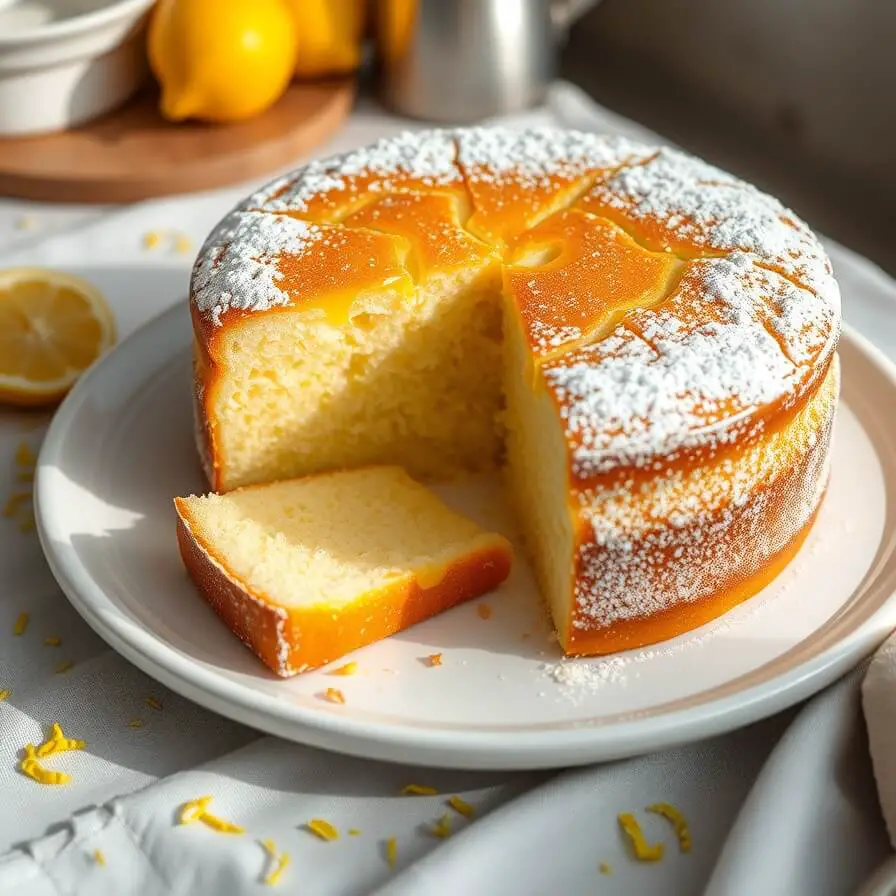
Start by preheating your oven and preparing your cake pan. I like to butter the pan generously and line the bottom with parchment paper. This ensures the cake releases cleanly and keeps the edges soft.
Step – 2:
In a large bowl, cream the softened butter and sugar together until the mixture looks pale and fluffy. This step sets the foundation for a light cake, so take your time and let the butter do its work.
Step – 3:
Add the eggs one at a time, mixing well after each addition. The batter should look smooth and cohesive before moving on.
Step – 4:
Stir in the ricotta cheese gently. The batter will look thicker and creamier at this point, which is exactly what you want. Add the lemon zest, lemon juice, and vanilla extract, mixing just until combined.
Step – 5:
In a separate bowl, whisk together the flour, baking powder, and salt. Slowly fold the dry ingredients into the wet mixture. Use a light hand here. Overmixing can make the cake dense, and we want it tender.
Step – 6:
Pour the batter into your prepared pan and smooth the top. Give the pan a gentle tap on the counter to release any air bubbles.
Step – 7:
Bake until the top is lightly golden and a toothpick inserted into the center comes out mostly clean, with just a few moist crumbs attached.
Step – 8:
Let the cake cool in the pan for a short while before transferring it to a wire rack. Allow it to cool completely before serving, if you can resist.
Substitutions
One of the reasons this lemon ricotta cake works so well is how forgiving it is. If you need to make adjustments, you absolutely can without losing the soul of the recipe.
If ricotta isn’t available, a well-drained cottage cheese blended until smooth can work in a pinch. It won’t be identical, but it still delivers moisture and richness.
Butter can be replaced with a neutral oil for a slightly different texture. The cake will be even more moist, though you’ll lose a bit of that classic buttery flavor.
For a different citrus note, orange zest and juice create a softer, sweeter version of this cake. It’s lovely when you want something a little less bright.
If you prefer a lighter sweetness, you can reduce the sugar slightly, though I recommend keeping enough to maintain the cake’s structure and tenderness.
Best Side Dish of Lemon Ricotta Cake
A slice of this cake pairs beautifully with fresh berries, especially raspberries or blueberries, which echo the lemon’s brightness.
A spoonful of lightly sweetened whipped cream adds a soft, airy contrast without overpowering the cake.
For something simple and cozy, serve it alongside a cup of hot tea or freshly brewed coffee — sometimes that’s all it needs.
Serving and Presentation Tips
This lemon ricotta cake doesn’t need much to shine, and that’s part of its charm. Still, a little thought in how you serve it can turn a simple slice into something that feels quietly special.
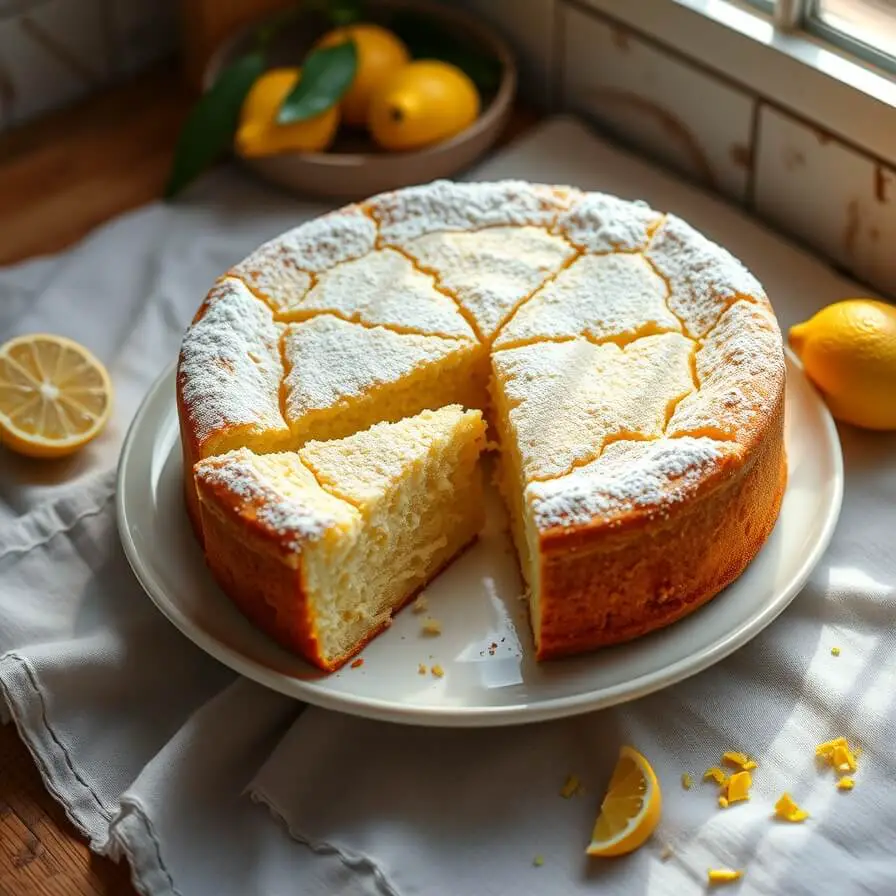
I usually let the cake cool completely before doing anything else. Once it’s cool, a light dusting of powdered sugar is often all I add. It settles into the cracks on top and gives the cake that classic, bakery-style look without feeling overdone. If I’m serving it for guests, I like to slice it cleanly with a sharp knife wiped between cuts. Those neat slices show off the tender crumb and make the cake feel intentional, not rushed.
For casual afternoons, I serve it as-is on a simple plate, sometimes still slightly warm, with nothing more than a fork. For brunch or dinner parties, I might add a few fresh berries on the side or a thin slice of lemon for color. The key is restraint. This cake is elegant because it’s simple, and too much garnish can take away from that.
If you’re serving it later in the day, it pairs beautifully with coffee, tea, or even a light dessert wine. The lemon keeps it from feeling heavy, making it perfect after a meal when people want something sweet but not overwhelming.
Tips and Tricks to Make This Recipe Better
There’s a quiet confidence in this recipe, but a few thoughtful touches can make it even better.
One of my favorite tricks is taking an extra minute to rub the lemon zest into the sugar with my fingers before mixing. This releases the natural oils and infuses the sugar with lemon flavor, which carries through the entire cake.
Another tip is to make sure your ricotta is thick and creamy. If it’s watery, the cake can turn out slightly dense. Draining the ricotta in a fine mesh sieve for even ten minutes can dramatically improve the texture.
Room-temperature ingredients matter more than people realize. Butter, eggs, and ricotta blend more smoothly when they’re not cold, which leads to a more even crumb.
I also recommend baking the cake in the center of the oven and resisting the urge to open the door too early. This cake rises gently, and sudden temperature changes can cause it to sink.
Finally, don’t rush the cooling process. Letting the cake rest allows the structure to set and the flavors to deepen. That patience pays off in every bite.
Common Mistakes to Avoid
This cake is forgiving, but a few common mistakes can hold it back from being its best.
Overmixing the batter is the most frequent issue I see. Once the flour goes in, gentle folding is all you need. Too much mixing develops the gluten and makes the cake heavy.
Using low-fat ricotta can also affect the result. The cake may still work, but it won’t have the same richness or moisture. Whole-milk ricotta really is worth it here.
Skipping the lemon zest is another missed opportunity. The juice adds brightness, but the zest delivers depth. Without it, the cake can taste flat.
Baking at too high a temperature can cause the outside to brown too quickly while the center remains undercooked. Stick to a moderate oven and let the cake bake slowly.
Lastly, slicing the cake while it’s too hot can cause it to crumble. Let it cool enough to hold its shape before serving.
How to Store It
One of the things I love about lemon ricotta cake is how well it keeps. Once completely cooled, you can store it at room temperature in an airtight container for up to two days.
If you want it to last longer, refrigeration is your friend. Wrapped well or stored in a sealed container, it will keep in the fridge for up to five days. In fact, many people — myself included — think the flavor improves after a day or two.
For longer storage, this cake freezes beautifully. Wrap individual slices tightly in plastic wrap, then place them in a freezer-safe container. They’ll keep for up to two months. When you’re ready to enjoy, let the slices thaw at room temperature. A quick dusting of powdered sugar refreshes them perfectly.
FAQ
Can I make this cake ahead of time?
Yes, and it’s actually a great make-ahead cake. Baking it a day in advance allows the lemon flavor to deepen and the texture to settle.
Is lemon ricotta cake supposed to be dense?
It should be moist and tender, but not heavy. If it feels dense, the ricotta may have been too wet or the batter overmixed.
Can I use bottled lemon juice?
Fresh lemon juice is strongly recommended. Bottled juice lacks the brightness and aroma that make this cake special.
Can I add mix-ins like blueberries?
Yes, gently folded blueberries or raspberries can work well. Toss them lightly in flour first to prevent sinking.
What pan works best for this recipe?
A standard round cake pan works beautifully, but you can also use a springform pan for easy release.

Lemon Ricotta Cake Recipe
- Total Time: 1 hour 10 minutes
- Yield: 8 1x
- Diet: Vegetarian
Description
This lemon ricotta cake is a softly textured, gently sweet dessert that feels both comforting and refined. Made with creamy whole-milk ricotta and fresh lemon zest, it strikes a beautiful balance between richness and brightness. The crumb is tender and moist, staying fresh for days, while the lemon adds just enough lift to keep each bite light. This is the kind of cake you bake once and return to often — simple enough for everyday baking, yet elegant enough to serve to guests. Whether enjoyed with morning coffee, shared at brunch, or served as a light dessert, this cake delivers quiet satisfaction without unnecessary fuss.
Ingredients
- Whole-milk ricotta cheese
- All-purpose flour
- Unsalted butter
- Granulated sugar
- Eggs
- Fresh lemons for zest and juice
- Baking powder
- Salt
- Vanilla extract
Instructions
- Preheat the oven and prepare your cake pan with butter and parchment.
- Cream butter and sugar until light and fluffy.
- Add eggs gradually, mixing until smooth.
- Stir in ricotta, lemon zest, lemon juice, and vanilla.
- Gently fold in the dry ingredients until just combined.
- Pour the batter into the prepared pan and smooth the top.
- Bake until lightly golden and set in the center.
- Cool before slicing and serving.
Notes
- Drain ricotta if it appears watery for best texture.
- Use fresh lemons for maximum flavor.
- Allow the cake to cool fully for clean slices and better structure.
- Prep Time: 20 minutes
- Cook Time: 50 minutes
- Category: Dessert
- Method: Baking
- Cuisine: Italian-inspired
Nutrition
- Serving Size: 8
- Calories: 280
- Sugar: 18g
- Sodium: 210mg
- Fat: 14g
- Saturated Fat: 8g
- Unsaturated Fat: 5g
- Trans Fat: 0g
- Carbohydrates: 32g
- Fiber: 1g
- Protein: 7g
- Cholesterol: 85mg