Looking for a clear list of foods you can eat on a carnivore diet can feel confusing at first. So many people start strong, then get stuck on what to actually put on their plate.
Most people trying this way of eating want to lose weight, build muscle, or simply feel better by cutting carbs. A lot of them come from keto or high-protein habits, so the shift feels familiar but still raises questions.
This guide keeps things simple. You get a full list of animal-based foods that fit the plan, along with practical ideas to keep meals from feeling repetitive.
1. Meat Comes First

Meat sits at the center of this way of eating. Still, it is easy to run out of ideas if you keep cooking the same thing every day.
Beef Ribeye: One of the most satisfying cuts, thanks to its high fat content. Around 280 to 320 calories per 100g provides steady energy that lasts for hours. Best for dinner when you want a heavy, filling meal that keeps hunger away.
Beef Sirloin: Slightly leaner than ribeye but still rich enough to feel satisfying. Around 200 to 250 calories per 100g gives a more balanced option. Works well for lunch when you want energy without feeling too heavy.
Beef Tenderloin: Very soft and easy to chew, making it great for simple meals. Around 180 to 220 calories per 100g keeps it on the lighter side. Good choice for dinner when you want something clean and easy.
Ground Beef: One of the easiest options to cook and mix into meals. Calories range from 250 to 300, depending on fat content. Perfect for quick lunches or simple dinner bowls.
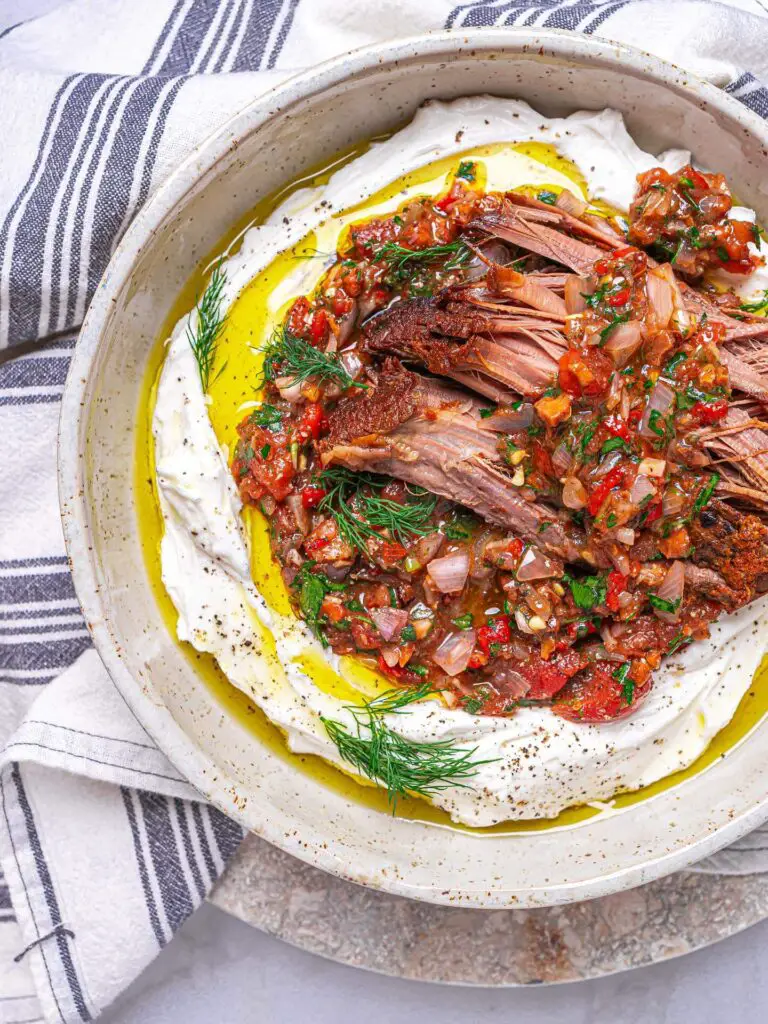
Beef Brisket: Slow-cooked cuts bring deep flavor and higher fat levels. Around 300 calories per 100g make it very filling. Best saved for dinner or weekends when you want something rich.
Beef Ribs: Very juicy and packed with fat, helping with long-lasting fullness. Around 320 calories per 100g gives strong energy. Works best as a heavy dinner meal.
Beef Shank: Contains collagen along with protein, which supports joint health. Around 200 calories per 100g keeps it balanced. Great for slow-cooked meals in the evening.
Beef Neck: A budget-friendly cut that becomes very tender when cooked slowly. Around 220 calories per 100g offer steady energy. Good for batch cooking and meal prep.
Beef Liver: Extremely high in vitamins like B12 and iron. Around 130 to 150 calories per 100g, but very nutrient-dense. Best eaten once or twice a week during lunch.
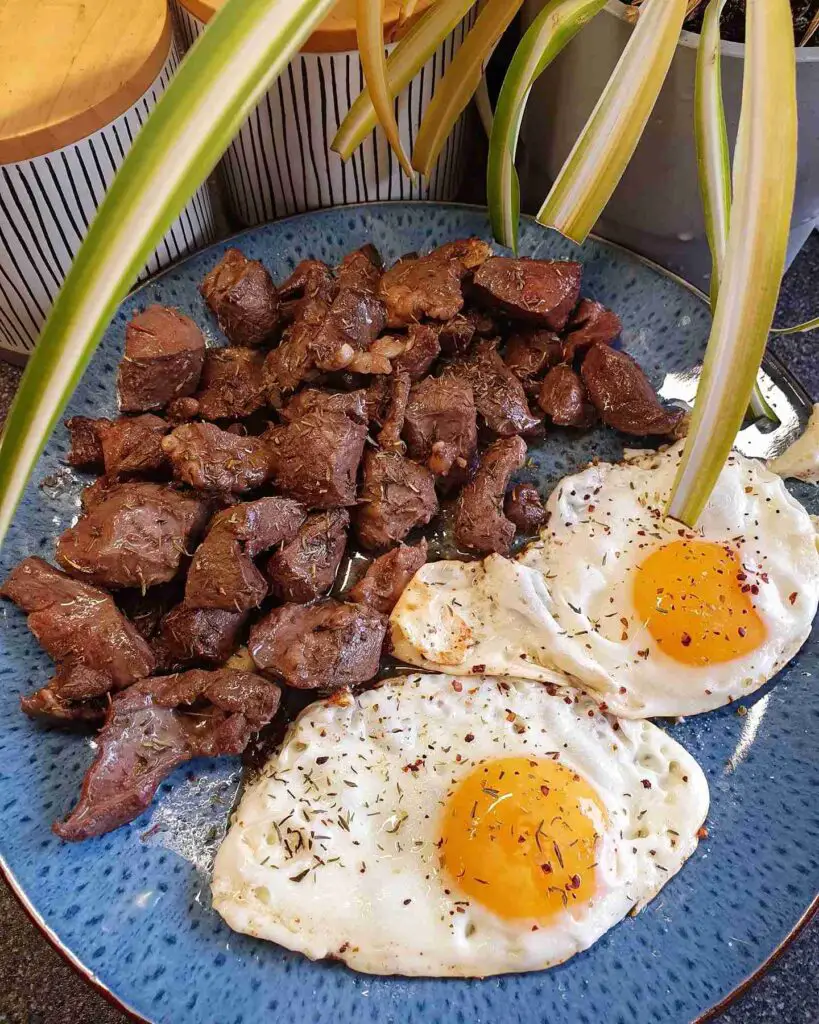
Beef Heart: Leaner cut but still rich in nutrients and minerals. Around 150 to 180 calories per 100g support energy needs. Works well mixed with other meats.
Beef Kidney: Strong flavor but packed with important nutrients. Around 100 to 120 calories per 100g keeps it lighter. Best eaten in small portions with other cuts.
Beef Tongue: Soft and fatty when cooked properly for a better texture. Around 250 calories per 100g make it filling. Good for variety during dinner meals.
Lamb Chops: Rich taste with a naturally high fat content. Around 280 to 320 calories per 100g provides lasting energy. Best for dinner when you want something satisfying.
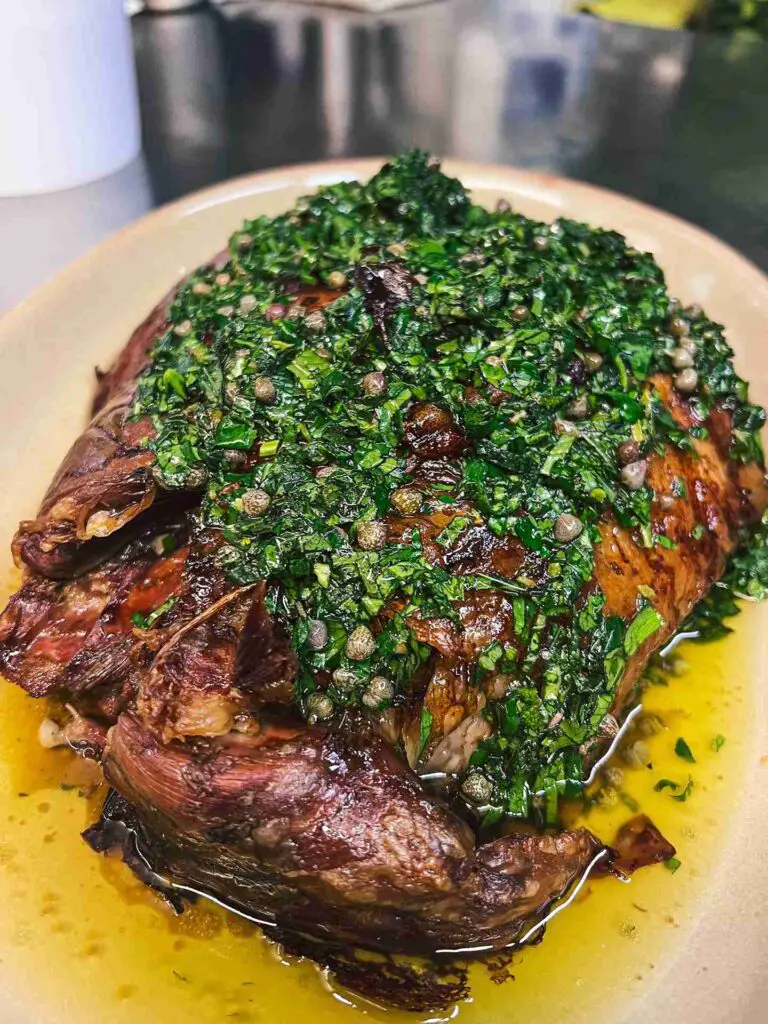
Lamb Shoulder: Great for slow cooking and becomes very tender over time. Around 300 calories per 100g keeps it filling. Works well for longer, relaxed meals.
Lamb Ribs: Juicy and flavorful, adding variety to your routine. Around 320 calories per 100g gives strong energy support. Good for weekend meals or special dinners.
Lamb Leg: Leaner than other lamb cuts but still full of flavor. Around 250 calories per 100g keeps it balanced. Works for both lunch and dinner.
Ground Lamb: Easy to cook and packed with rich flavor. Around 280 calories per 100g make it satisfying. Great for quick meals without much effort.
Lamb Liver: Nutrient-dense like beef liver but slightly stronger in taste. Around 140 calories per 100g support vitamin intake. Eat in small portions when needed.
Lamb Kidney: High in nutrients and best paired with other meats. Around 110 calories per 100g keeps it lighter. Works well in mixed dishes.
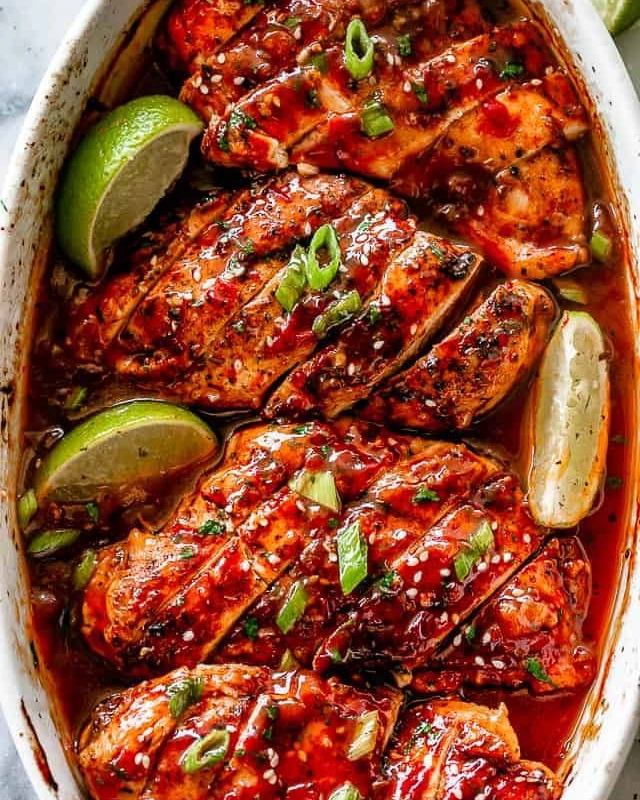
Chicken Breast: Lean and light with around 165 calories per 100g. Easy to digest and simple to prepare. Best for lunch or lighter meals.
Chicken Thighs: More fat and flavor compared to breast cuts. Around 220 to 250 calories per 100g keeps you full longer. Good for satisfying meals.
Chicken Wings: Easy to cook and naturally rich in fat. Around 250 calories per 100g provides good energy. Great for quick dinners at home.
Chicken Drumsticks: Affordable and filling with balanced fat content. Around 200 calories per 100g works well daily. Suitable for regular meals.
Whole Chicken: Gives a mix of lean and fatty parts in one meal. Around 200 calories per 100g on average keeps it balanced. Good for meal prep.
Chicken Liver: Rich in nutrients and very budget-friendly. Around 140 calories per 100g support vitamin intake. Best eaten in small portions.
Chicken Gizzards: Slightly chewy texture with good protein content. Around 150 calories per 100g keeps it simple. Adds variety to your meals.
Turkey Breast: Lean and clean source of protein for daily meals. Around 135 calories per 100g keeps it light. Best for lunch options.
Turkey Thigh: More fat makes it more satisfying and filling. Around 200 calories per 100g provides steady energy. Good for dinner meals.
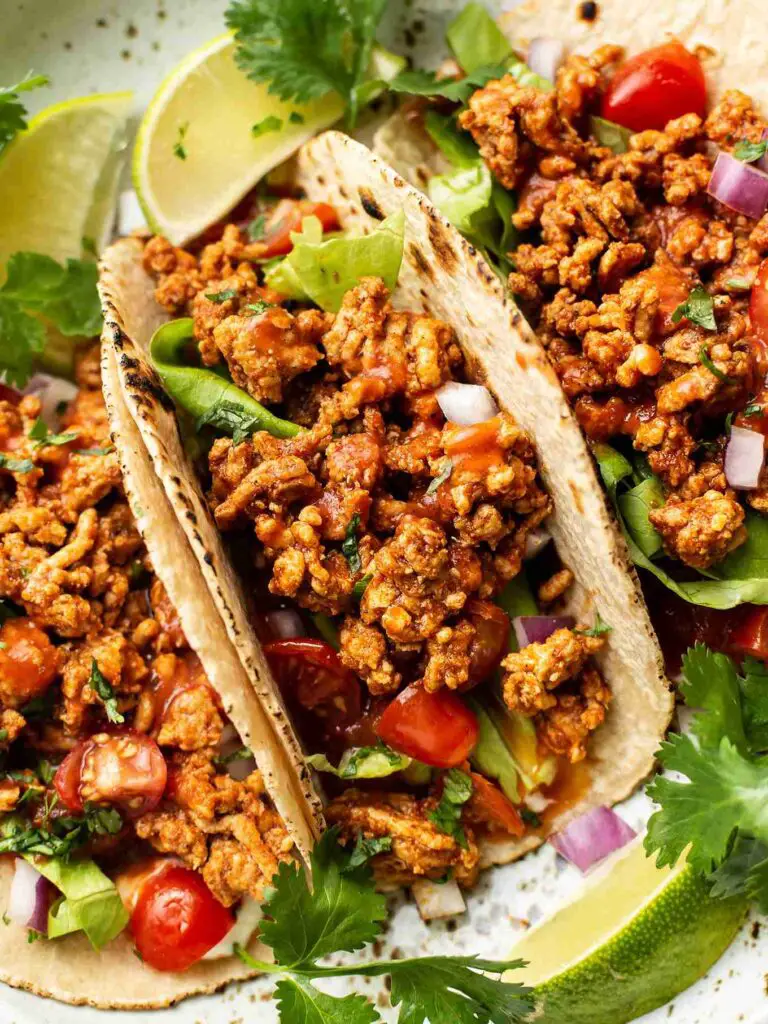
Ground Turkey: Easy to cook and lighter compared to beef options. Around 170 to 220 calories per 100g keeps it balanced. Works for quick meals.
Whole Turkey: Good option for batch cooking and larger meals. Around 190 calories per 100g on average support energy. Useful for meal prep.
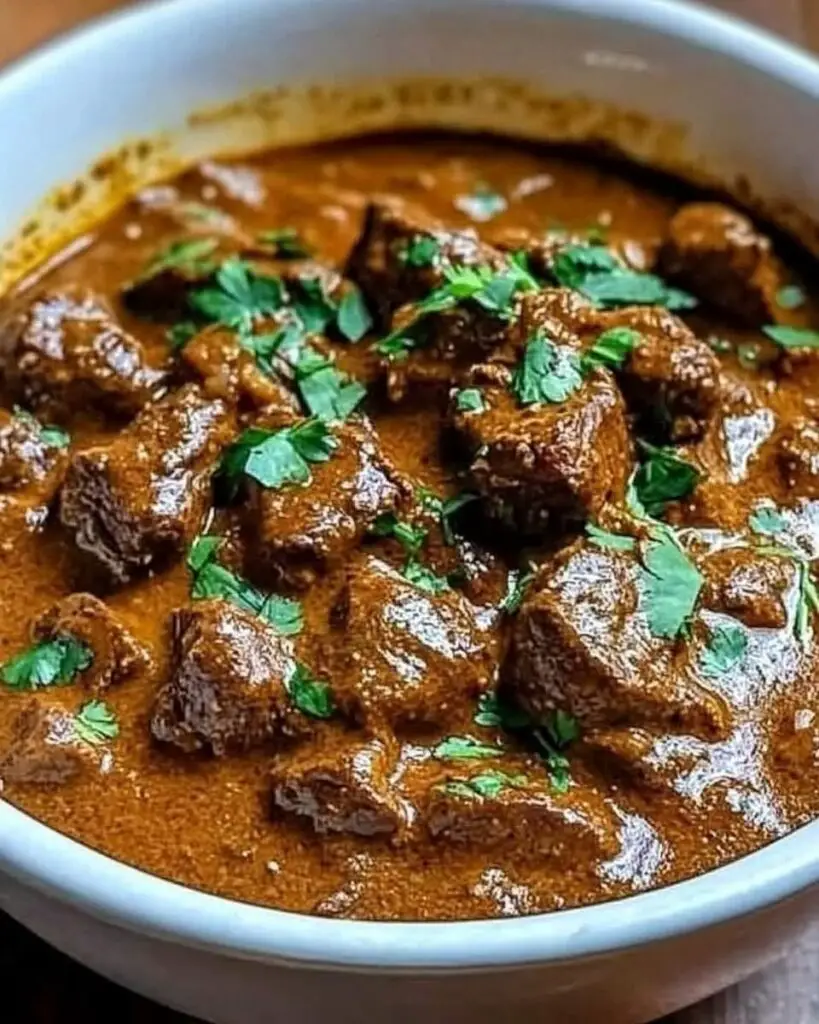
Goat Meat Curry Cut: Common in halal diets with balanced fat and flavor. Around 140 to 180 calories per 100g keeps it moderate. Works for both lunch and dinner.
Goat Leg: Leaner cut that becomes tender when slow-cooked. Around 150 calories per 100g keeps it light. Good for steady meals.
Goat Ribs: Rich and flavorful, better suited for heavier meals. Around 280 calories per 100g provides strong energy. Best for dinner.
Goat Liver: High in vitamins and similar to beef liver. Around 130 calories per 100g support nutrition. Best eaten in small portions.
Goat Heart: Lean and nutrient-dense with good protein levels. Around 150 calories per 100g keeps it balanced. Works well in mixed meals.
Duck Breast: High fat content makes it very filling and rich. Around 300 calories per 100g provides lasting energy. Best for dinner meals.
Duck Legs: Tender and rich when cooked slowly for better texture. Around 280 calories per 100g keeps it satisfying. Works well for dinner.
Whole Duck: Energy-dense and suitable for special meals or occasions. Around 300 calories per 100g support fullness. Best for sharing meals.
Rabbit Meat: Lean and light with around 170 calories per 100g. Easy to digest and simple to cook. Good for variety.
Venison: Very lean but high in protein and nutrients. Around 160 calories per 100g keeps it clean. Works well for lighter meals.
Quail Meat: Small portions but rich in flavor and texture. Around 130 calories per 100g keeps it light. Good for variety.
Pheasant: Lean game meat with a unique and mild taste. Around 140 calories per 100g make it balanced. Works well for occasional meals.
2. Fish And Seafood Add Balance
Seafood brings a different kind of nutrition that helps balance your meals.

Salmon: Around 200 to 250 calories per 100g with healthy fats that support energy levels. Best for dinner or post-workout meals when your body needs recovery.
Tuna: Around 180 calories per 100g and high in protein for muscle support. Works well for lunch when you need something quick and filling.
Mackerel: High-fat fish with around 250 calories per 100g that keeps you full longer. Good for dinner when you want steady energy.
Sardines: Around 200 calories per serving with strong nutrients and healthy fats. Great for quick meals when you do not want to cook much.
Trout: Light and easy to digest, with around 150 calories per 100g. Works well for simple meals during lunch or dinner.
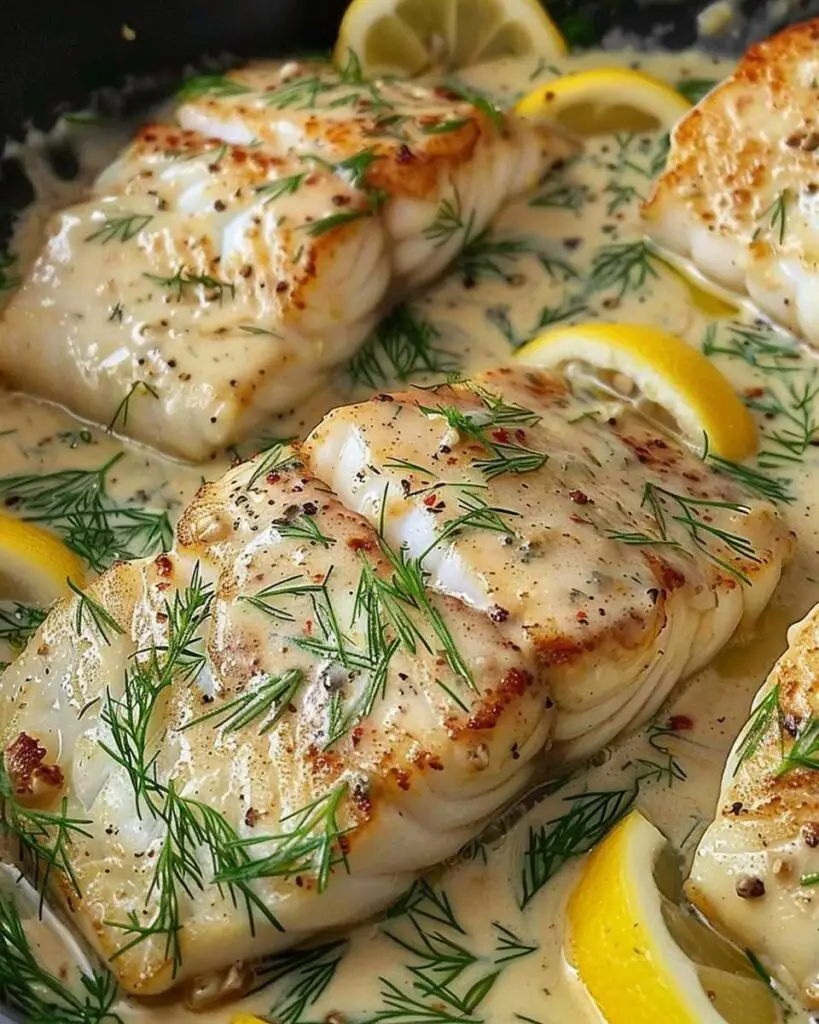
Cod: Lean fish with around 100 calories per 100g that feels light on the stomach. Best for lighter meals when you want something easy.
Tilapia: Mild taste with around 120 calories per 100g that makes it easy to eat regularly. Good for everyday meals.
Red Snapper: Firm texture with around 130 calories per 100g that feels clean and balanced. Works well for lunch or dinner.
Sea Bass: Slightly richer with around 140 calories per 100g and a smooth texture. Best for dinner when you want something different.
Shrimp: Lean protein with around 100 calories per 100g that cooks very quickly. Good for quick meals when you are short on time.
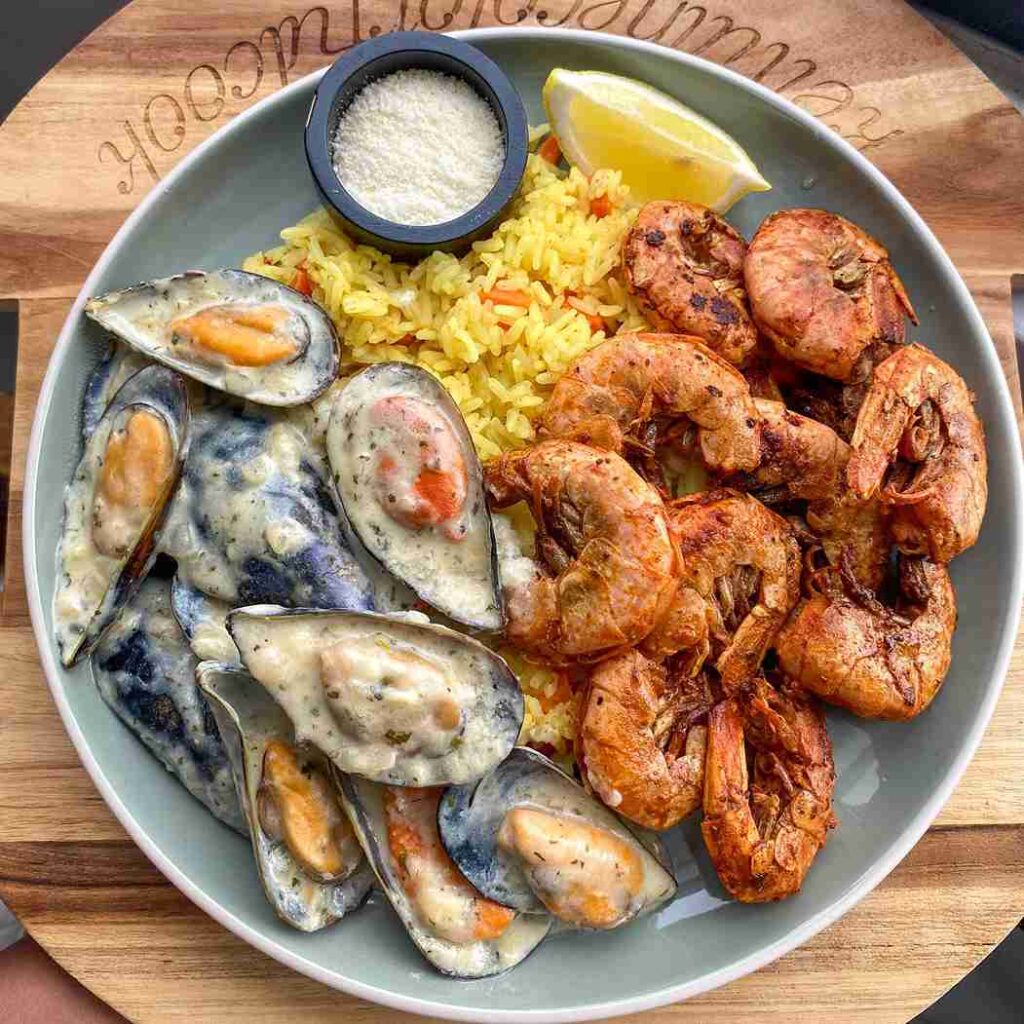
Prawns: Slightly higher calories than shrimp, around 110 per 100g, with more bite. Works well for simple lunch or dinner meals.
Crab: Around 100 calories per 100g with added minerals and a light texture. Good for variety when you want something different.
Lobster: Around 90 calories per 100g, light but still satisfying. Best for occasional meals or special dinners.
Mussels: Around 170 calories per 100g with strong nutrient content and minerals. Works well for dinner when you want something filling but not heavy.
3. Eggs Keep Things Easy
Eggs are one of the simplest foods you can rely on.
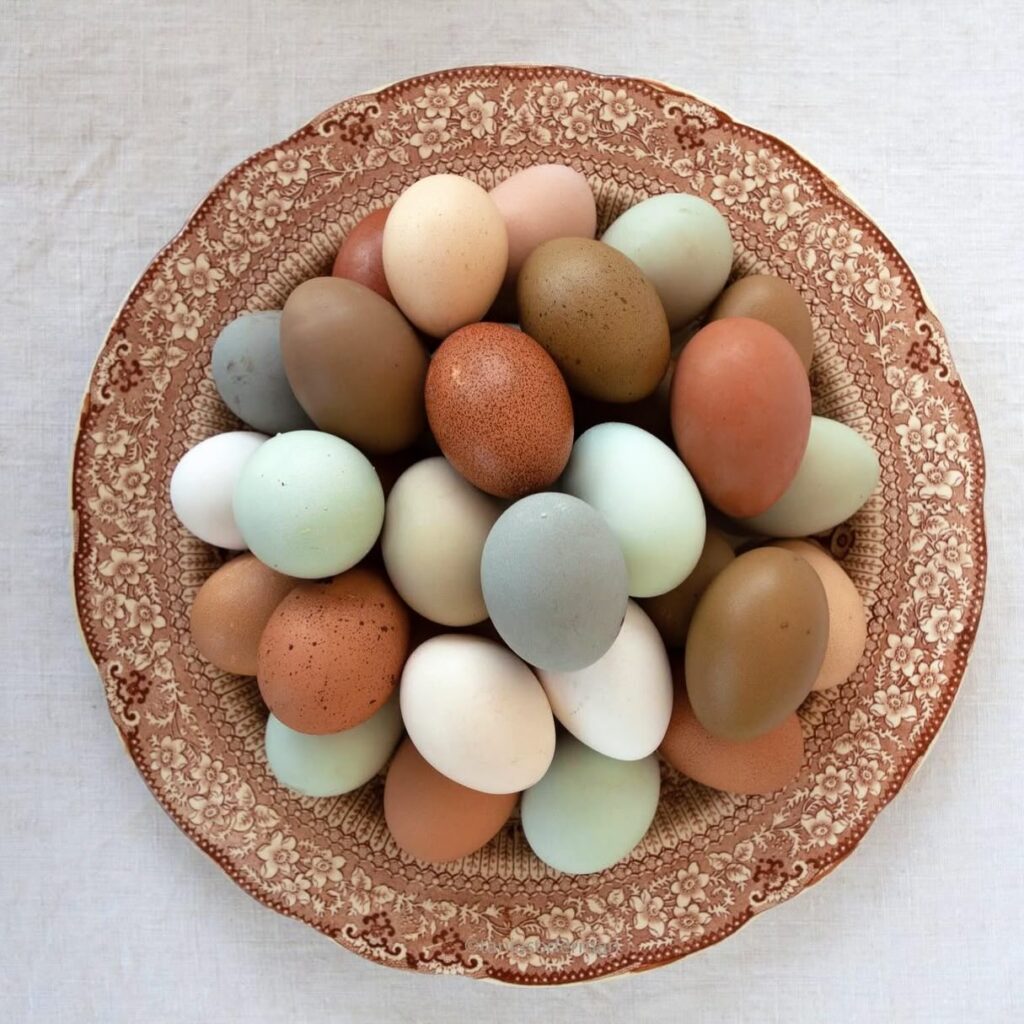
Chicken Eggs: Around 70 to 80 calories per egg with a good balance of protein and fat. Best for breakfast to start the day with steady energy.
Duck Eggs: Larger and richer, with around 90 calories per egg, making them more filling. Works well for breakfast or even dinner when you need extra energy.
Quail Eggs: Smaller but very nutrient-dense, with around 14 calories each. Easy to add to meals when you want something light and simple.
4. Dairy Can Be Included
Some people add dairy, while others skip it based on how their body reacts.

Cheddar Cheese: Around 400 calories per 100g with a strong flavor and dense texture. Best eaten in small portions to avoid consuming too many calories.
Mozzarella Cheese: Around 300 calories per 100g with a softer texture and mild taste. Works well for simple meals or quick snacks.
Cottage Cheese: Around 100 calories per 100g, making it a lighter option. Good for meals when you want something less heavy.
Cream Cheese: Around 340 calories per 100g with a smooth and rich texture. Easy to add to meals for extra fat.
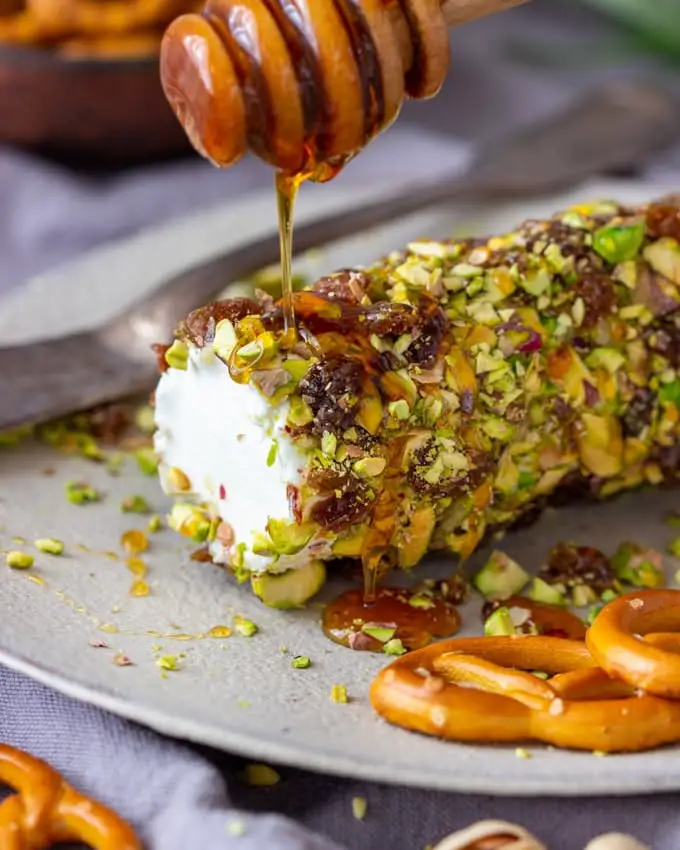
Goat Cheese: Around 360 calories per 100g with a slightly tangy taste. Some people find it easier to digest than other cheeses.
Butter: Around 100 calories per tablespoon, and it adds quick energy. Best used while cooking or added to meals for extra fat.
Ghee: Similar to butter but more stable for high-heat cooking. Works well for frying and daily use.
Heavy Cream: Around 50 calories per tablespoon and easy to mix into drinks. Good for adding fat without increasing portion size too much.
5. Animal Fats Help You Stay Full
Fat plays a big role in how you feel during the day.
Beef Tallow: Around 900 calories per 100g and very dense in energy. Best used in small amounts to help you stay full longer.
Lamb Fat: Similar calorie level with a stronger and richer taste. Works well when cooking meat for extra flavor.
Chicken Fat: Slightly lighter but still useful for cooking and adding energy. Good for everyday meals.
Duck Fat: Rich and flavorful with a smooth texture. Works especially well with roasted meats.
6. Bone Broth Supports Recovery
Bone broth adds nutrients that are often missing from simple meals.
Beef Bone Broth: Around 40 calories per cup with collagen and minerals. Good for recovery and joint support.
Chicken Bone Broth: Light and easy to drink daily. Works well in the morning or evening.
Lamb Bone Broth: Rich flavor with deeper nutrients and minerals. Best for when you want something more filling.
Goat Bone Broth: Common in many diets and easy to digest. Works well for regular use.
7. Extra Carnivore Options For Variety
Keeping things fresh helps you stay consistent without getting bored.
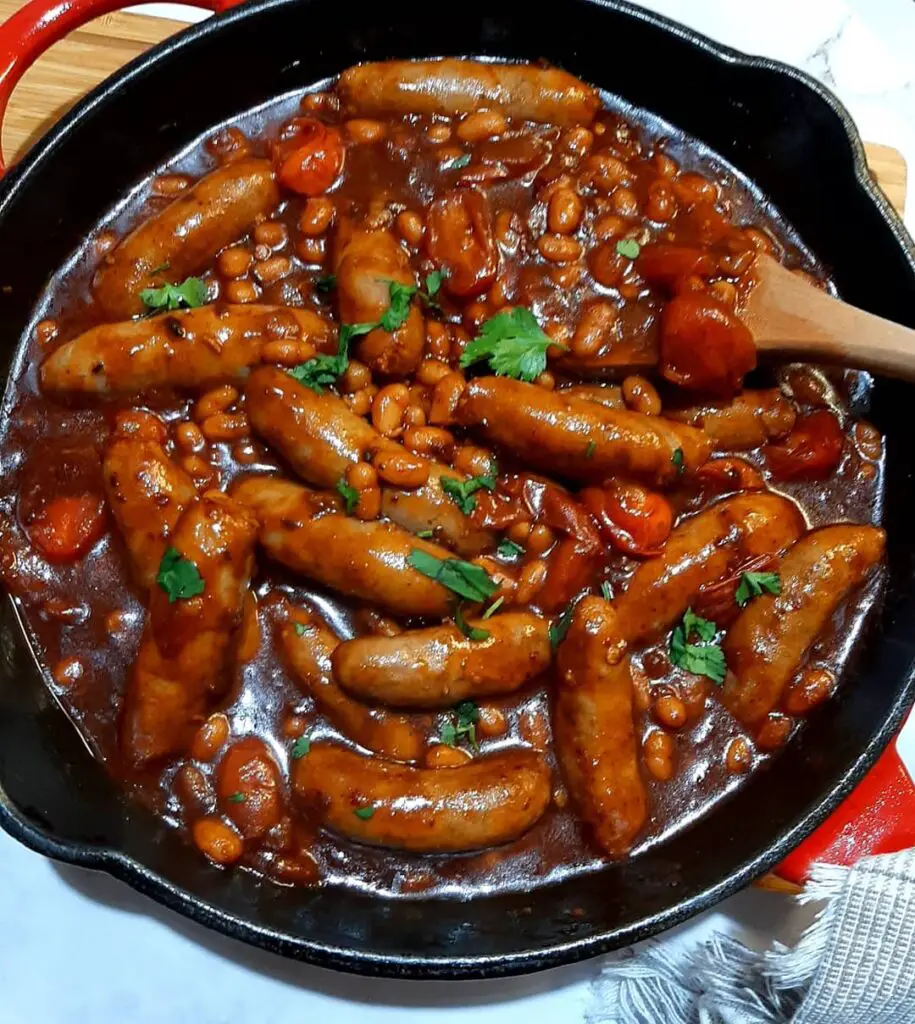
Beef Sausages: Choose clean versions without fillers or added ingredients. Works well for quick meals.
Chicken Sausages: A lighter option that cooks fast and fits daily meals. Good for lunch or dinner.
Turkey Sausages: Lean and easy to prepare with a mild taste. Useful for simple meals.
Duck Eggs Omelette: A filling meal that works any time of the day. Good for breakfast or dinner.
Egg Yolks: High in fat and nutrients, making them great for energy. Easy to add to meals.
Fish Roe: Very nutrient-dense even in small amounts. Works well as a side option.
Anchovies: Strong taste with healthy fats and minerals. Best used in small portions.
Smoked Salmon: Easy option for quick meals without much cooking. Works well for breakfast or lunch.
Dried Fish: Long-lasting and useful for simple eating when you need convenience. Good for quick meals.
Carnivore Diet Tips
Staying consistent with this way of eating becomes much easier when you keep things simple and practical.
- Focus On Fat First: Energy on this diet comes mostly from fat, not protein alone. If meals feel unsatisfying, adding butter, ghee, or fatty cuts usually fixes the problem.
- Keep Meals Simple: Trying too many foods at once can make things confusing. Sticking to a few go-to options helps you stay consistent without overthinking.
- Eat Until You Are Full: Calorie counting is not always necessary here. Paying attention to hunger and fullness signals works better for most people.
- Use Salt Properly: Low-carb eating can reduce electrolyte levels quickly. Adding enough salt to meals helps prevent low energy and headaches.
- Stay Hydrated Daily: Drinking enough water supports digestion and keeps your body balanced. Many people feel better just by improving hydration.
- Rotate Your Proteins: Eating the same food every day can get boring fast. Switching between beef, chicken, fish, and eggs keeps meals interesting.
- Do Not Skip Organ Meats: Even small portions once or twice a week can support overall nutrition. They help fill gaps that regular meat may miss.
- Listen to Your Body: Everyone reacts differently to certain foods. Adjust portions, fat levels, or meal timing based on how you feel.
- Plan Your Meals: Having meat ready in advance makes it easier to stick to the plan. Simple prep saves time and avoids poor choices.
- Keep Expectations Realistic: The first few days can feel different as your body adjusts. Staying patient and consistent helps you see better results over time.
FAQ
How Many Meals Should You Eat On A Carnivore Diet
Most people do well with two to three meals a day. Some prefer fewer meals once their hunger becomes more stable. It depends on your routine and how your body responds. Eating when you feel truly hungry works better than forcing a schedule. Over time, many people naturally move toward fewer meals without trying too hard.
Do You Need To Count Calories On This Diet
Calorie tracking is not always required for most people. Since meals are based on protein and fat, fullness usually comes naturally. Paying attention to hunger and energy levels works better in many cases. Still, understanding rough calorie ranges can help in the beginning. It gives you a clearer idea of how much you are actually eating.
Can You Eat Dairy Every Day
Some people include dairy daily without any issues. Others notice bloating or slower progress when they eat too much of it. It really depends on how your body reacts. Starting with small amounts helps you understand your tolerance. Adjusting based on how you feel is the best approach.
How Do You Avoid Getting Bored With The Same Foods
Eating the same meals every day can get repetitive quickly. Switching between different meats, fish, and eggs helps keep things interesting. Changing cooking methods also makes a big difference. Grilling, frying, or slow cooking can completely change the experience. Small changes like this help you stay consistent.
Are Organ Meats Really Necessary
Organ meats are not required, but they are very helpful. They provide vitamins and minerals that regular meat may not fully cover. Even small portions once or twice a week can make a difference. If the taste feels strong at first, mixing them with other meats helps. Over time, many people get used to them.
Conclusion
Starting a carnivore diet can feel simple at first, but staying consistent is where most people struggle. Having a clear food list, understanding your options, and knowing how to balance your meals makes a big difference.
This guide gives you enough variety to keep things interesting without making it complicated. You do not need dozens of recipes or complex plans. Simple meals, good fat intake, and paying attention to your body usually work best.
Try different foods, adjust based on how you feel, and keep your meals practical. Consistency matters more than doing everything perfectly.
If you found this helpful, share it with your friends and family so they can make better food choices too.