There’s something comforting about banana bread that feels almost nostalgic every time I make it. Maybe it’s because I grew up watching my mother salvage every too-soft banana by turning it into something warm and sweet, or maybe it’s simply because the smell of bananas, butter, and vanilla drifting through the house instantly slows life down. I’ve baked a lot of banana breads over the years—quick ones before school, fancier ones with nuts and chocolate, and even a few that turned out so dense they could’ve doubled as doorstops. But this version? This is the one I always come back to.
It started as a scribbled recipe on a torn notebook page, shared by a neighbor who insisted it was the best she had ever baked. Of course, I tweaked it over time—added a little more butter, mashed the bananas extra smooth, slipped in a hint of cinnamon, and eventually found the exact texture I love: moist, tender, not overly sweet, and golden with just the right amount of caramelization around the edges.
What I love most is how unfussy it is. This banana bread doesn’t require fancy tools or special steps. One bowl, a whisk, and a few minutes of mixing are all you need. The oven does the rest.
And if your family is anything like mine, don’t expect it to last long. Mine tends to disappear slice by slice before it even cools completely.
Why I Love This Recipe

What makes this banana bread special isn’t just how simple it is to throw together—it’s how reliably delicious it turns out every single time. I’ve made versions that included yogurt, brown butter, sour cream, coconut oil, and even almond flour, but none of them gave me the same consistent, soft crumb that this recipe produces. It’s sturdy enough to slice cleanly but still moist enough that it almost melts on your tongue.
The real magic comes from using very ripe bananas—the spottier, the better. When bananas reach that point where most people consider tossing them, that’s exactly when they become sweetest and most flavorful. Their sugars have fully developed, which naturally sweetens the bread and gives it that deep banana flavor.
Another thing I adore about this recipe is how flexible it is. Want a classic version? Bake it as is. Want to make it more indulgent? Fold in chocolate chips. Want a little crunch? Add chopped walnuts or pecans. Want a cozy fall twist? Increase the cinnamon and add a pinch of nutmeg. No matter what, the base stays soft and rich.
This banana bread also keeps incredibly well. It stays tender for days, and the flavors actually deepen by the second day. In fact, I’ve sometimes baked two loaves at once just so I could freeze one for later—although I’ll admit, we rarely make it to the freezing stage because someone always sneaks in “just one more slice.”
Overall, this is the recipe that reminds me why classic baked goods never go out of style. It’s comforting, dependable, and always loved by anyone who tries it.
Ingredients for Best Ever Banana Bread
One thing I’ve learned after years of baking banana bread is that the ingredients you choose—and the form they’re in—matter more than people think. Despite how simple the recipe is, each ingredient brings something important to the final loaf.
You’ll need three big things: really ripe bananas, melted butter, and a balance of sugar and dry ingredients to keep everything light.
Let’s talk bananas first. For this recipe, you want bananas that are far beyond the “pretty” stage. They should be soft, very speckled, and fragrant. Those are the bananas that mash easily and blend smoothly into the batter, creating that rich banana flavor and fluffy texture. If your bananas are yellow with only a few spots, they’ll still work—but you won’t get the same depth of flavor.
Next comes the butter. I prefer melted butter over softened butter because it mixes more evenly with the mashed bananas. It gives the bread a softer crumb and helps keep the entire loaf moist from edge to center.
Sugar plays a balancing role. I use granulated sugar to give it structure and prevent the loaf from becoming overly heavy. Some people use brown sugar, which adds a caramel note, but I find granulated sugar keeps the bread lighter and allows the banana flavor to shine.
Eggs help bind everything together and add richness without making the bread dense. Vanilla enhances the flavor subtly—it doesn’t scream “vanilla,” but it helps round out the sweetness.
For dry ingredients, you’ll need all-purpose flour, baking soda, and a pinch of salt. Flour gives the loaf structure, baking soda helps it rise, and salt keeps the flavors balanced. I also love adding a small amount of cinnamon—not enough to turn this into a “spiced” bread, but just enough to warm up the flavor.
Put all of these together, and you get a beautiful, golden loaf that feels homemade in the best way.
How Much Time Will You Need
One of my favorite things about this recipe is how little active time it requires. If you’re quick in the kitchen, you can have the batter mixed and ready for the oven in under 10 minutes.
Baking takes longer—usually about 55 to 65 minutes depending on your oven and the type of pan you use. Glass pans sometimes take a bit longer, while metal pans often brown the loaf faster.
Cooling is important too. You’ll want to let the loaf rest in the pan for about 10 minutes before moving it to a rack. It continues to set and firm up as it cools, which means cleaner slices later.
All in all, you’re looking at about 75 minutes from start to finish—not bad for a homemade classic that tastes like it took hours.
How to Make This Best Ever Banana Bread
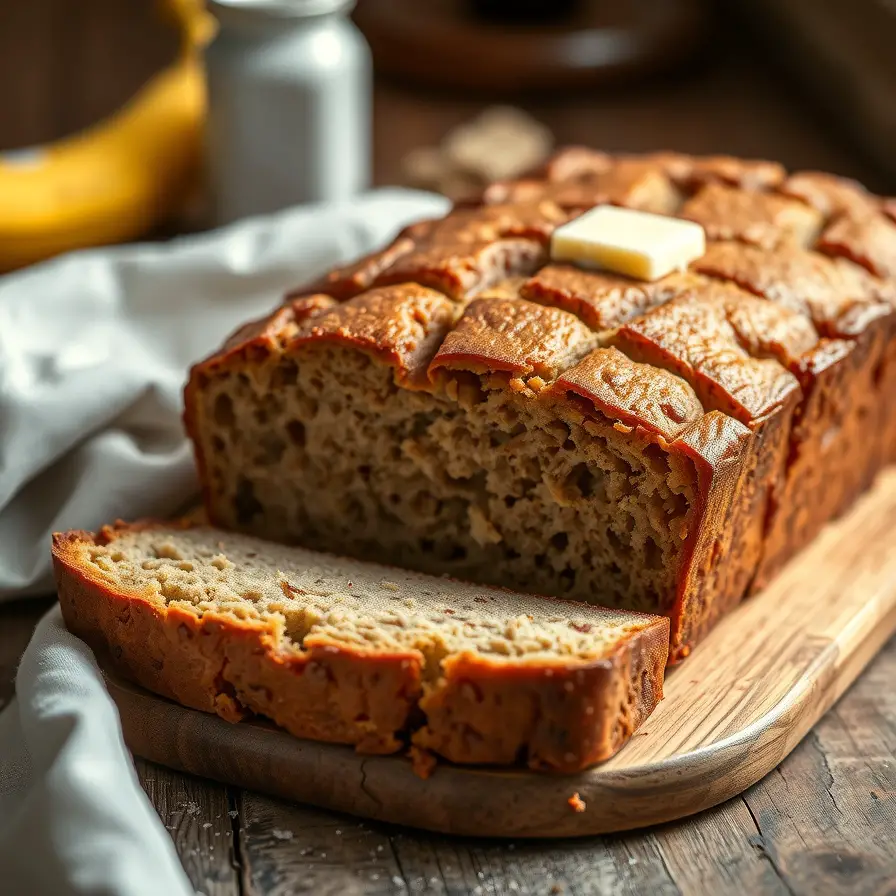
Step – 1: Start by mashing your ripe bananas in a large mixing bowl. Use a fork or a potato masher and make sure they’re fully broken down. The smoother they are, the softer the final texture will be. If you like a bit of banana chunk throughout, you can leave some small pieces intact.
Step – 2: Add the melted butter and whisk it gently into the bananas. This combination forms the foundation of the bread’s moisture. Make sure the butter isn’t hot—you don’t want to scramble the eggs later.
Step – 3: Mix in the sugar and whisk again. The sugar helps dissolve into the warm mixture, creating a glossy, smooth base.
Step – 4: Crack in the eggs and add the vanilla extract. Stir until everything is evenly combined. You don’t want streaks of egg showing; the mixture should look cohesive.
Step – 5: In a separate bowl, whisk together the flour, baking soda, salt, and cinnamon. This step ensures everything is well-distributed so you don’t get pockets of baking soda or heavy clumps of flour.
Step – 6: Add the dry ingredients to the wet mixture. Use a spatula and fold gently—just until the flour disappears. Overmixing will make your bread tough, so slow and steady is the way to go.
Step – 7: If you’re adding mix-ins like nuts or chocolate chips, fold them in at this stage. Keep the ratio simple: no more than one cup of extras so the batter stays balanced.
Step – 8: Pour the batter into a greased loaf pan. Use a spatula to spread it evenly into the corners. You’ll notice the batter is thick—that’s exactly what you want.
Step – 9: Bake at 350°F (175°C) until a toothpick inserted in the center comes out almost clean. A few moist crumbs are fine. Resist the urge to open the oven door early; it can cause the loaf to sink.
Step – 10: Let the banana bread cool in the pan before flipping it onto a wire rack. It needs those few minutes of rest to firm up and release from the pan smoothly.
Substitutions
If you love having options, this recipe offers plenty of flexibility. Whether you’re adjusting for dietary needs or simply missing an ingredient, these swaps work beautifully and still give you a delicious loaf.
If you don’t have butter, you can use an equal amount of vegetable oil. The texture becomes slightly softer and stays moist longer. Coconut oil also works if you like a subtle coconut aroma.
If you prefer brown sugar, you can replace some or all of the granulated sugar. Brown sugar deepens the flavor, adding a caramel warmth to every bite.
If you’re out of eggs or baking for someone who avoids them, you can substitute one egg with either 1/4 cup unsweetened applesauce or 1/4 cup mashed banana. The loaf becomes slightly denser but still very tasty.
You can also swap the all-purpose flour for whole wheat flour, though the bread will be a bit heartier. A good trick is to use half whole wheat and half all-purpose—it adds fiber without sacrificing texture.
And for those who like a richer loaf, try stirring in sour cream or Greek yogurt. Just a few tablespoons can make it even more tender and moist.
These substitutions ensure you can still bake something comforting, even when your pantry is running low.
Best Side Dishes for Banana Bread
Banana bread is wonderful on its own, but a good side can turn a simple slice into a cozy breakfast or a more complete snack. Here are a few things that pair beautifully with it:
Creamy vanilla yogurt
Fresh berries or a fruit salad
A warm cup of coffee or spiced chai
These sides balance the sweetness of the bread and make it feel like a thoughtful, comforting treat rather than just a quick bite.
Serving and Presentation Tips
There’s a small pleasure in serving banana bread that goes beyond the baking itself. A warm loaf, a soft interior, and that fragrant aroma practically beg to be shared. One thing I’ve learned over the years is that banana bread isn’t just about flavor—it’s also about how it’s presented. And with a few thoughtful touches, even a simple slice can feel special.
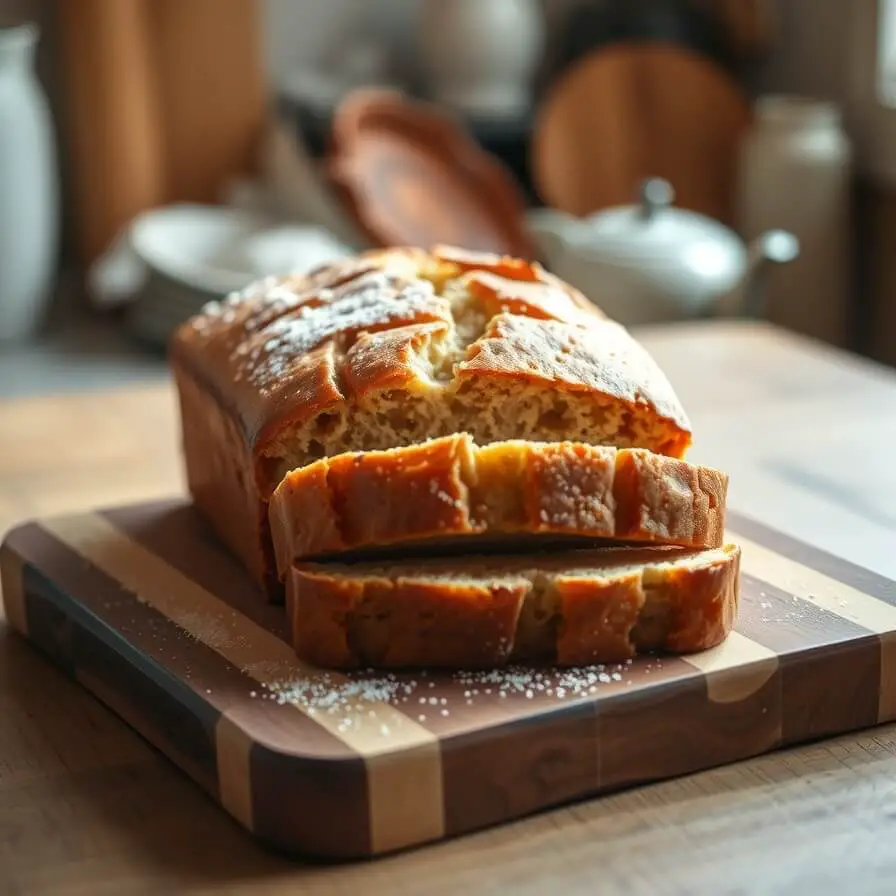
I like to let the loaf cool just enough so it slices cleanly but still holds a hint of warmth. A warm slice always seems more comforting, almost like it melts into the plate a little. If I’m serving it to guests, I’ll arrange the slices in a slight fan shape on a wooden board or a white platter. The rustic look makes it inviting and homestyle.
A tiny dusting of powdered sugar also elevates the presentation without overwhelming the flavor. For brunch gatherings, I sometimes add a dollop of whipped cream or a drizzle of cinnamon honey on the side. You don’t need much—just enough to create that “wow, this feels cozy” moment.
If you want a café-style finish, slice the bread thickly and serve it with softened butter or a small spread of cream cheese. It creates a richer, almost indulgent eating experience that your guests will remember.
Tips and Tricks to Make This Recipe Even Better
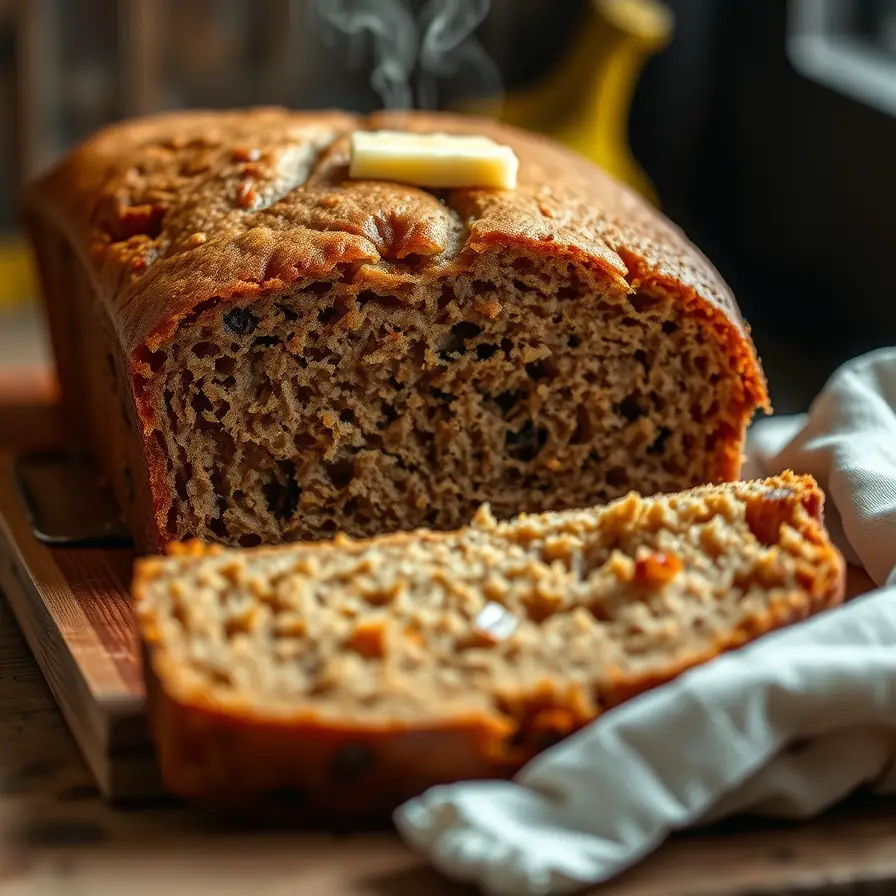
There’s always a way to make banana bread a little softer, a little richer, or a little more flavorful. Over the years, I’ve collected a few tricks that consistently improve the loaf, and they’re easy enough for anyone to try.
One of my favorite tips is to use bananas that are incredibly ripe—much riper than you think. When the skins are nearly black, that’s perfect. The sugars intensify, giving your bread a deep banana flavor that you just can’t get from firm yellow bananas.
Another trick is not to overmix your batter. It sounds simple, but it’s the difference between a tender crumb and a dense loaf. Fold the flour gently and stop as soon as you don’t see dry streaks.
If you want an especially moist loaf, add a spoonful of sour cream or Greek yogurt. It changes the interior texture in the best possible way, making it softer and more tender.
For extra flavor, don’t be afraid to mix in a handful of chopped walnuts, pecans, or chocolate chips. They add texture and richness without overwhelming the banana base.
And finally, consider lowering the oven temperature by 25 degrees during the last 10 minutes of baking. This prevents the crust from browning too quickly and helps the center cook evenly.
Common Mistakes to Avoid
Banana bread is simple to make, but a few common mistakes can change the outcome more than you might think. Avoiding these will help you get that perfect, soft loaf every time.
One mistake is using bananas that aren’t ripe enough. If they’re still yellow and firm, your bread won’t be as flavorful or sweet. Always choose bananas that are deeply speckled or nearly brown.
Another issue is overmixing. Stirring too much activates the gluten in the flour, which leads to a tough, rubbery texture. A light hand is key—fold, don’t whisk vigorously.
Baking at too high a temperature can cause the loaf to rise quickly, then collapse in the center. It’s better to stick with the recommended oven temperature and avoid opening the oven door early.
Using too much flour is another sneaky problem. Scoop too heavily, and the bread turns dense and dry. I always spoon the flour into the measuring cup and level it with a knife to avoid packing it down.
And finally, underbaking or overbaking can both ruin a good loaf. Check it with a toothpick, and look for moist crumbs—not raw batter.
How to Store It
Proper storage is essential if you want your banana bread to stay moist and flavorful for days. Once the loaf has cooled completely, wrap it tightly in plastic wrap or store it in an airtight container. This keeps the moisture inside and prevents the bread from drying out.
If you plan to eat it within two to three days, room temperature is perfect. Just keep it somewhere cool and away from direct sunlight.
For longer storage, banana bread freezes beautifully. Wrap the whole loaf—or individual slices—in plastic wrap, then place it in a freezer-safe bag or container. It can stay frozen for up to three months without losing quality. When you’re ready to enjoy it, simply thaw it at room temperature.
If you like warm banana bread (and honestly, who doesn’t?), a quick 10–15 seconds in the microwave brings it right back to that fresh-from-the-oven softness.
FAQ
How ripe should the bananas be?
Very ripe—deeply speckled or nearly black. The riper they are, the sweeter and more flavorful your bread will be.
Can I make this banana bread gluten-free?
Yes, you can replace the flour with a 1:1 gluten-free baking blend. The texture stays surprisingly close to the original.
Can I add nuts or chocolate chips?
Absolutely. Walnuts, pecans, or chocolate chips all work well. Just fold them in right before pouring the batter into the pan.
Why did my banana bread sink in the middle?
This usually happens when the loaf is underbaked or the oven temperature is too high. Make sure to test doneness with a toothpick.
Can I reduce the sugar?
Yes, you can cut the sugar by up to one-third without affecting the structure. The bananas will still keep the bread sweet and moist.

Best Ever Banana Bread Recipe
- Total Time: 70 minutes
- Yield: 1 1x
- Diet: Vegetarian
Description
A soft, moist, deeply flavorful banana bread that feels warm and homestyle with every slice. This recipe uses deeply ripe bananas for natural sweetness, plus melted butter to create a tender, rich crumb. It’s simple enough for a weekday bake but delicious enough to serve for brunch or as an afternoon treat. With a cozy aroma and golden crust, this banana bread is the type of recipe you’ll find yourself coming back to again and again. It slices beautifully, stays moist for days, and works with a variety of add-ins—from nuts to chocolate—while still remaining perfect in its classic form.
Ingredients
- Ripe bananas, mashed
- Melted butter
- Granulated sugar
- Eggs
- Vanilla extract
- All-purpose flour
- Baking soda
- Salt
- Cinnamon (optional)
Instructions
- Mash the ripe bananas in a large mixing bowl until mostly smooth.
- Stir in the melted butter until fully combined.
- Add the sugar, eggs, and vanilla, mixing until the batter comes together.
- In a separate bowl, whisk the flour, baking soda, salt, and cinnamon.
- Fold the dry ingredients into the wet mixture gently, just until the flour disappears.
- Pour the batter into a greased loaf pan and smooth the top.
- Bake at 350°F (175°C) until a toothpick inserted in the center comes out with moist crumbs.
- Cool briefly in the pan, then transfer to a wire rack to finish cooling.
Notes
- For extra moisture, add a spoonful of sour cream or Greek yogurt to the batter. Avoid overmixing to keep the loaf tender.
- Prep Time: 10 minutes
- Cook Time: 60 minutes
- Category: Baking
- Method: Oven
- Cuisine: American
Nutrition
- Serving Size: 1
- Calories: 250
- Sugar: 20g
- Sodium: 160mg
- Fat: 9g
- Saturated Fat: 5g
- Unsaturated Fat: 3g
- Trans Fat: 0g
- Carbohydrates: 38g
- Fiber: 2g
- Protein: 3g
- Cholesterol: 45mg